Tag: Beyond the Hustle Blog

  • Our Faces Tell A Story….

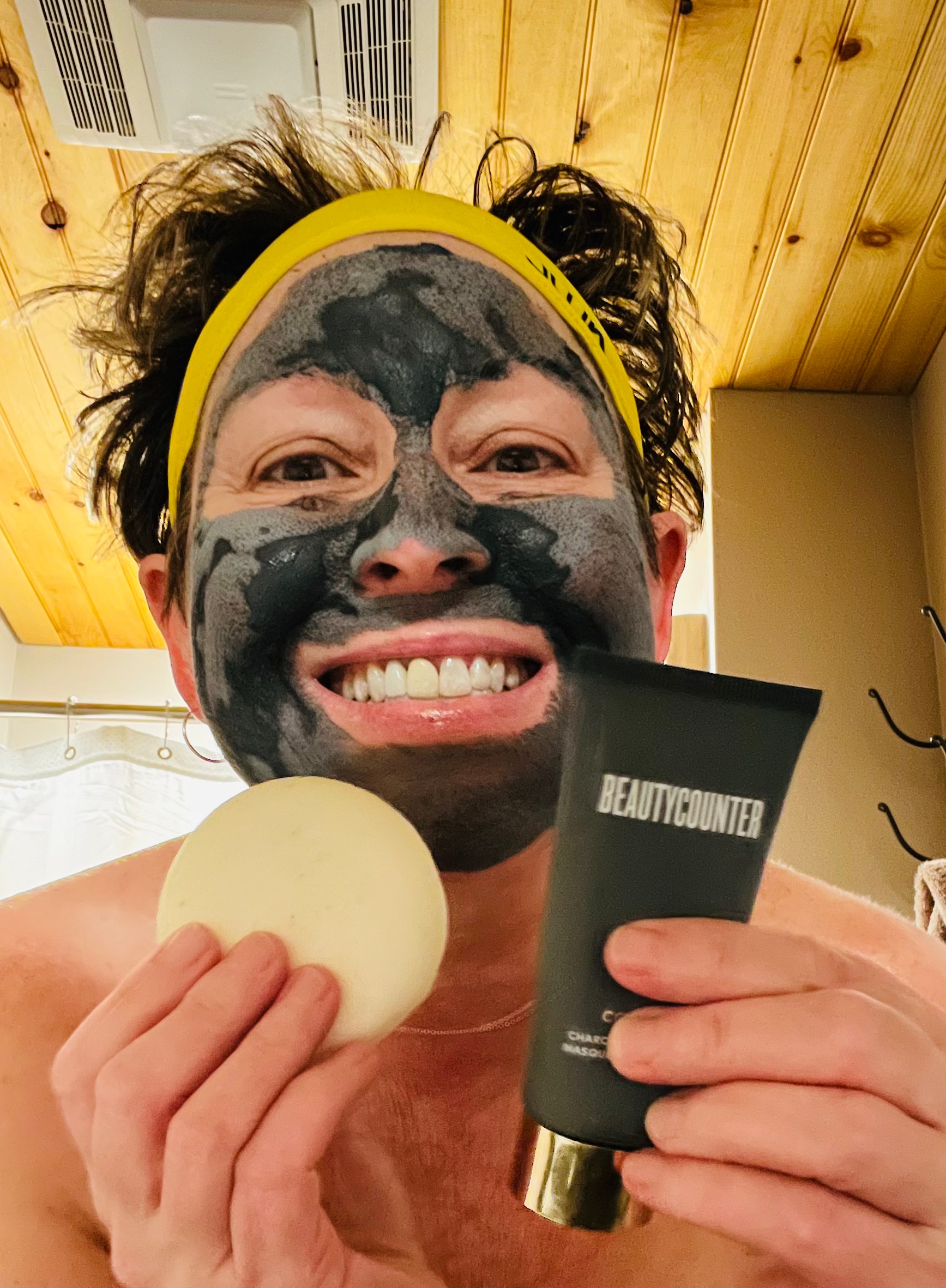
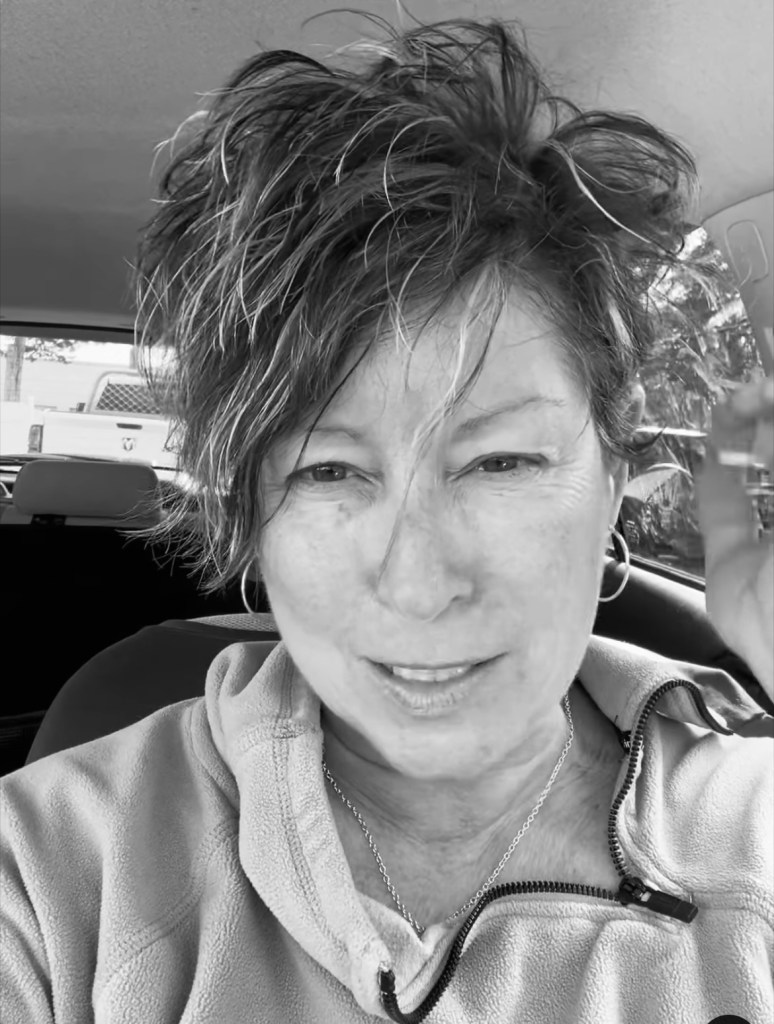
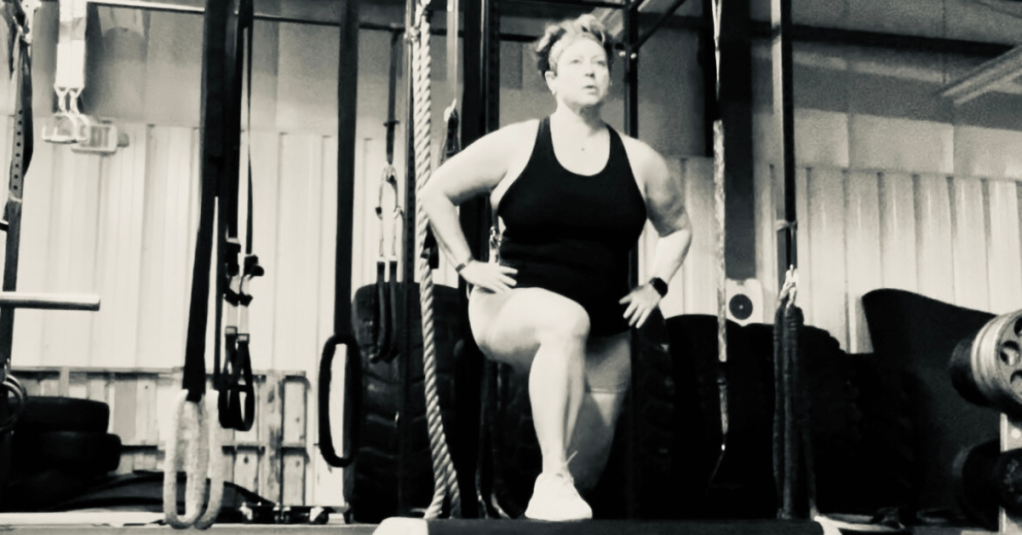
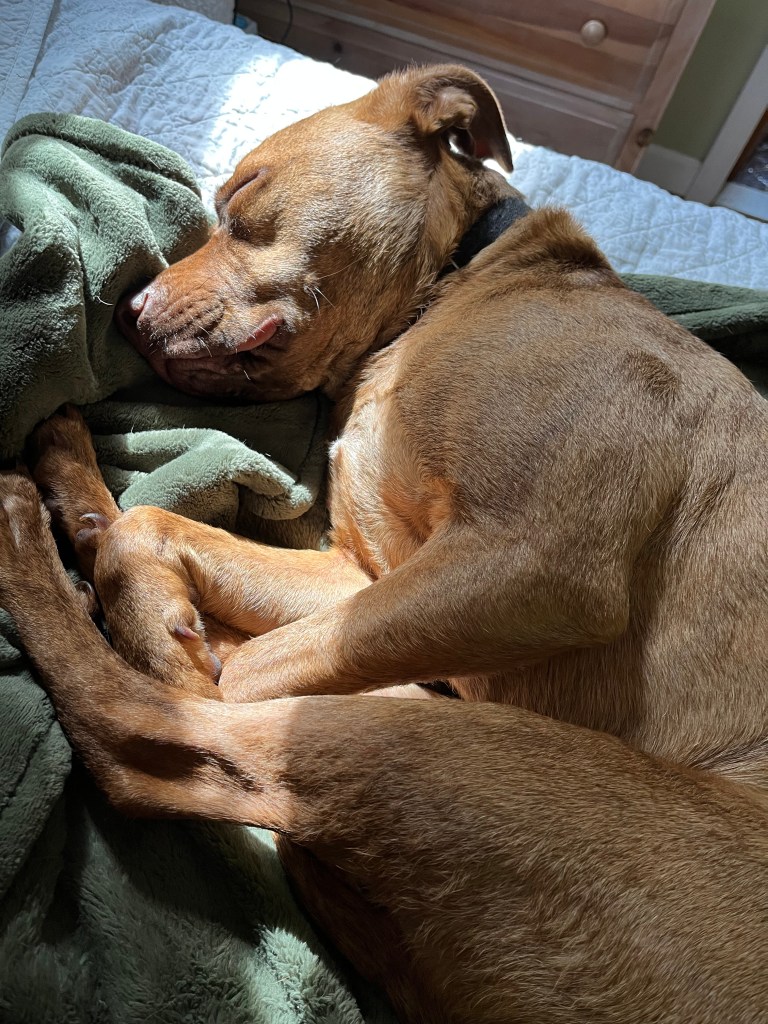
    I took these photos on my 60th birthday, just a few short weeks ago. Why? To serve as a reminder—down the road—of who I am today. 

    Every face tells a story, and I thought I’d share mine… at least up to now.

    As I look back and begin to write my story, I know it’s not about being better or worse than anyone else’s—it’s simply mine, just as yours is uniquely yours.

    I was born in Chicago, IL, on March 25, 1965. My mother was only 16 years old—a baby herself. She married my father in an attempt to break the cycle of abuse and addiction that she had grown up in.

    Unsurprisingly, the marriage didn’t last. They divorced, and my earliest memories are a patchwork of change—new towns, new schools, new faces. My uncle (my mother’s brother) always lived with us and often felt more like a brother than an uncle. He was always fun, but man, could we fight!

    We moved a lot in those early years, and while that instability could have left me feeling lost, it sparked a deep resilience instead. I learned to adapt quickly, to read a room, to find my place—or make one—wherever I landed.

    I grew up fast. There wasn’t much choice. My mom did the best she could, and I now understand the strength it must have taken just to keep going under the weight of her own unhealed wounds. I didn’t always understand her then, but I have deep compassion for her now.

    That’s the thing about wisdom—it softens you. With time and perspective, you begin to see people and situations more clearly, with less judgment and more empathy.

    My father died by suicide when I was still young. That kind of loss leaves a scar that never really fades—it just becomes part of who you are. And when I was 46, I lost my mother—she passed away at the age of 63. Far too soon. Losing both parents before I was even 50 left me with a kind of loneliness that’s hard to explain—but it also gave me a greater appreciation for life, for healing, and for showing up fully while we still have the time.

    In many ways, my childhood taught me how to survive. But over the years, I’ve worked hard to do more than just survive—I’ve fought to thrive. And with each passing decade, I’ve become more of the woman I needed when I was a girl: grounded, self-aware, fiercely protective of my boundaries, and soft where it matters.

    Turning 60 felt big—not because of the number, but because of the reflection it invited. These photos aren’t about vanity. They’re about honoring the journey: the laugh lines earned from joy and sorrow, the strength etched into my bones by years of doing the hard inner work, and the beautiful, undeniable truth that aging is a privilege.

    I’m not finished writing my story. But now, I know—I’m the author, not just a character reacting to the plot. And I hope this encourages you—whether you’re 26 or 66—to embrace your own becoming. To celebrate the chapters you’ve already lived and to look ahead with hope and optimism to the ones still being written.

  • Politics and Personal Relationships: How We Can Do Better

    Yep, I’m diving in! But don’t worry—it’s all about conversation, not confrontation.

    Let me start by asking—remember when no one knew (or cared) which political party you supported? I miss those days. But thanks to the internet and social media, those lines have been blurred forever.

    Lately, I’ve noticed a shift on LinkedIn (a platform that I thought for sure would stay out of politics), and if you’ve been there long enough, you might have noticed it too. What was once a platform primarily for professional growth, networking, and industry insights has become increasingly political. Discussions that were once reserved for other social media platforms are now front and center, with political opinions, debates, and even outright arguments filling the feed.

    This shift raises some big questions for me:
    🔹 How does this impact job seekers who rely on LinkedIn to build their careers?
    🔹 Are small business owners and entrepreneurs feeling more (or less) freedom to be authentic—or more pressure to take a stance?
    🔹 Are companies making hiring or business decisions based on political beliefs?

    This shift got me thinking: Is there a way to have these discussions without damaging personal and professional relationships? Because whether we like it or not, politics is everywhere—our workplaces, social circles, and even family gatherings. And while being informed and engaged is important, the growing polarization has also created deep divisions.

    But does it have to be this way? Can we explore political differences without making everything a battleground? I believe we can. And that’s why I’m going all in on this conversation, because it’s as much for me as it is for you.

    The Rise of Political Polarization

    There’s no denying that political discourse has become more intense. Social media and search engines are designed to amplify opinions, often creating echo chambers where we’re only exposed to perspectives that reinforce our own. Meanwhile, news outlets tailor content to specific ideologies, making it easier than ever to stay within our comfort zones.

    Here’s a thought-provoking challenge: Try searching for the same topic as a friend or colleague and compare your results. Chances are, you’ll see different information. That’s not a coincidence—it’s by design. If you’ve seen The Social Dilemma, you know how algorithms shape what we see, subtly influencing our beliefs and interactions. In many ways, we’re all being manipulated—whether we realize it or not.

    Check out this short clip (it’s a fascinating documentary worth watching):

    But here’s the reality: No two people will ever agree on everything. Expecting complete alignment—whether in politics, religion, or lifestyle choices—is unrealistic. Healthy relationships and societies are built on diverse perspectives and respectful debate, not total agreement.

    And here’s another reality: Every time a new political administration takes power, those who didn’t vote for them will inevitably find fault with their decisions. It’s a predictable cycle—one side cheers, the other side critiques. Policies shift, priorities change, and no matter who’s in charge, opposition always finds something to criticize.

    Oh, and one more thing—you can’t judge someone’s political beliefs by their appearance or lifestyle. Wearing a flag shirt, driving a certain car, or listening to country music doesn’t automatically place someone in a political box. We need to move past stereotypes and stop making assumptions about people.

    We are complex human beings, shaped by diverse experiences and values. While we may lean one way or the other, few of us align 100% with any party. We hold nuanced opinions, disagree even with “our own side” at times, and make decisions based on more than just political labels. It’s a reminder that real conversations—not assumptions—are what truly help us understand one another.

    Why Losing Relationships Over Politics Isn’t Worth It

    At the end of the day, our relationships—whether personal or professional—are built on much more than political views. Shared experiences, mutual support, and personal history should matter more than a difference in voting decisions.

    Ask yourself:
    ✅ Will today’s political debate matter in five years?
    ✅ Does winning an argument feel better than maintaining a meaningful relationship?
    ✅ Are you listening to understand, or just waiting to respond?

    Of course, some differences are deeply personal, and certain beliefs may feel harder to reconcile. But in most cases, a disagreement doesn’t have to mean the end of a relationship—especially if both people approach the conversation with mutual respect.

    How to Be More Tolerant of Different Views

    1. Practice Active Listening – Instead of reacting immediately, take a moment to truly hear the other person’s perspective. Ask questions, seek understanding, and look for common ground.
    2. Recognize That People’s Experiences Shape Their Views (this is HUGE)– Backgrounds, upbringings, and life experiences influence opinions. Understanding someone’s story can help bridge divides.
    3. Agree to Disagree – Not every conversation needs a resolution. Sometimes, the best approach is to acknowledge the difference and move on.
    4. Know When to Walk Away – If a discussion becomes heated or unproductive, it’s okay to change the subject or take a break. Protecting your peace is just as important as expressing your views.
    5. Respect Boundaries – If someone prefers not to discuss politics, honor that. Forcing the conversation rarely leads to positive outcomes.
    6. Lead with Kindness (this should actually be first on the list)– You don’t have to agree with someone to treat them with respect. Kindness and civility go a long way in keeping relationships intact.

    Bringing It All Together

    Politics may be more visible than ever—especially on platforms like LinkedIn—but it doesn’t have to define our relationships. We can choose to engage with openness, prioritize understanding over division, and remind ourselves that people are more than their political beliefs.

    Disagreements are inevitable, but how we handle them is a choice. By focusing on respect, listening, and the bigger picture, we can create healthier conversations and, more importantly, stronger relationships—both online and offline.

    💬 What do you think? Have you found ways to share political differences while maintaining important relationships? Let’s talk about it below!

    Let’s Connect!

    Leave a comment

  • The Hustle You Look Down On Might Be Someone Else’s Gold Mine!

    As a small business owner who knows a lot of entrepreneurs and fellow business owners, I’ve always admired the hustle it takes to build something from the ground up. But recently, I had a humbling realization—I never really thought about the people behind the scenes, doing the work that many wouldn’t even consider a business.

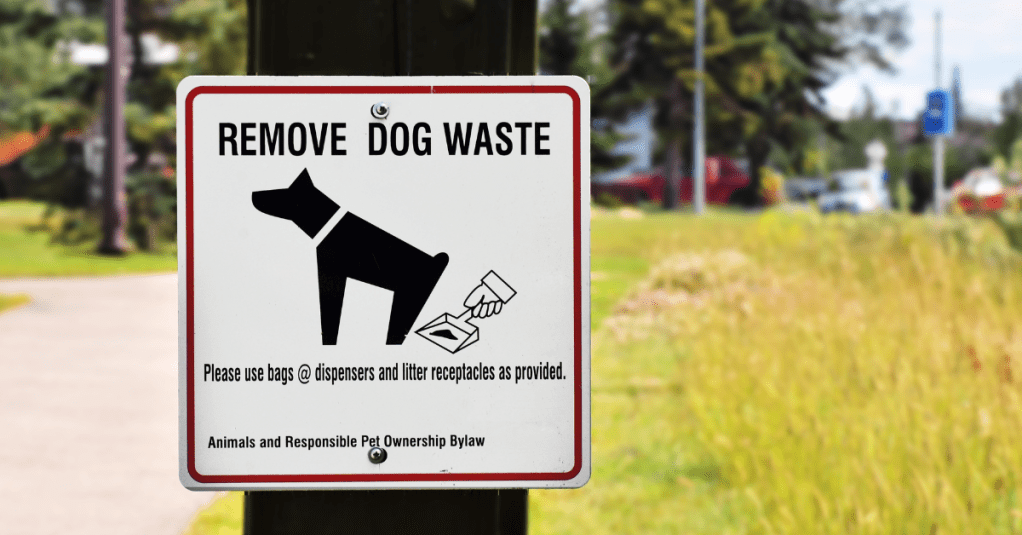
    While recovering from ankle surgery, I needed help with a not-so-glamorous task—removing dog waste from my yard. Let’s be real: most people wouldn’t jump at the chance to do that job. But I found a guy who not only runs a dog waste removal business but also trims trees on the side. This is definitely not something I’ve thought about in the entrepreneurial realm, but “John” is absolutely an entrepreneur who is building a successful business with extreme pride, humility, and a great sense of humor! And guess what? He’s making serious money.

    It got me thinking about how we often dismiss certain jobs as “beneath” us or unworthy of consideration. We assume that success only comes in sleek offices, high-profile careers, or trending side hustles. But the reality? Some of the most successful businesses are built on the jobs that many wouldn’t even consider.

    Here’s a great quote from Mike Rowe, the host of Dirty Jobs, who has spent years highlighting hardworking entrepreneurs who built successful businesses from labor-intensive work:

    “Happiness does not come from a job. It comes from knowing what you truly value and behaving in a way that’s consistent with those beliefs.” – Mike Rowe

    Think about it—trash collection, cleaning services, mobile car detailing, power washing. These aren’t jobs people dream about as kids, but they are industries where entrepreneurs are thriving, building wealth, and creating legacies.

    The moral of the story? Don’t be too quick to turn our nose up at an opportunity. The thing we think is “too small” or “not worth it” might just be someone else’s path to financial freedom. The key isn’t what we do—it’s how well we do it, how we scale it, and how we serve a need.

    So before dismissing a side hustle as “not good enough,” remember: someone out there is making a killing doing it. And they’re laughing all the way to the bank.

    Do you have an idea of something you’d like to turn into a side hustle? Let’s talk about it in the comments!

    Make moves, live boldly!

    Leave a comment

  • Surviving a Narcissist: The Toxicity, The Chaos, and The Lessons

    Have you ever been the target of a narcissist? If so, you know the mental gymnastics, the manipulation, and the relentless toxicity that come with it. If you haven’t—consider yourself lucky.

    It wasn’t until later in my adult life and career that a narcissist quietly infiltrated my world. My narcissist disguised themselves as good, pure, loving, and honorable—a true chameleon. At first, it was all rainbows and butterflies—until, suddenly, I had no idea what hit me.

    My fight-or-flight instinct kicked in, but instead of running, I looked around at others, who seemed fine, and thought, “It must be me.” (Ugh…a home run for the narcissist.)

    The ironic part? The moment I started confiding in friends and family, they immediately said, “You’re dealing with a narcissist.” It wasn’t one big, obvious event—it was a slow, calculated unraveling. A series of tiny, almost imperceptible manipulations that built the foundation for something far more damaging.

    Fortunately for me, our relationship ended abruptly. At first, I was in shock. But with time—and a lot of self-reflection—I finally felt something I hadn’t in a long time: I could breathe again. Really breathe.

    I was recently talking to a friend about the crushing grip narcissists have on their victims and the slow surrender we unknowingly give them. It’s a psychological game—one designed to strip away your confidence and leave you questioning your reality. And escaping? That’s another battle entirely for so many.

    Breaking free from a narcissist feels like emerging from a cult-like trance—your identity shaken to its core. Thank goodness for the self-help section on Amazon, podcasts, and therapy, right?!

    The Narcissist’s Playbook: A Masterclass in Manipulation

    At first, they charm you (This is known as the honeymoon phase.). They praise your work, admire your talents, and build you up—only to slowly chip away at your confidence. The gaslighting is subtle at first:

    🌀 “I never said that.” (They did.)
    🌀 “I’m sorry you feel that way.” (Zero accountability.)
    🌀 “I’ve done so much for you, and it’s not appreciated.” (Lies.)

    Before you know it, you’re walking on eggshells, second-guessing yourself, and questioning truths you once knew. That’s the toxicity of a narcissist—they LITERALLY rewrite reality to serve their ego.

    The Fallout: Breaking Free from the Cycle

    Realizing you’re in a narcissist’s grip feels like waking up from a nightmare you didn’t know you were trapped in. You start seeing the patterns, the control, the meanness, the manipulation—but getting out? That’s where the real fight begins, especially for those married to one (for the sake of my husband, I want to clarify that I’m not referring to him here).

    Narcissists don’t let go easily. They crave control. They twist narratives, spread lies, and play the victim to maintain their power. And when you finally break free? They’ll do everything in their power to paint you as the villain.

    The Lesson: Reclaiming Your Power

    Here’s the good news—you learn. You recognize the red flags sooner. You set boundaries quicker and stronger. And most importantly, you take back your power!

    If you’ve been through this, you’re not alone. The scars narcissists leave behind are real, but they’re also proof that you survived.

    Want to Outsmart a Narcissist? Listen to This.

    Mel Robbins has hosted remarkable guests who break down the psychology of narcissists—and, more importantly, how to break free from their grip. If you haven’t listened to Outsmart a Narcissist: A Proven 4-Step Plan to Take Your Power Back, it’s a must, so grab your 🎧 headphones and listen with intention and purpose.

    I listened to it on a hike—the place I go to find clarity. I’d love to know what you think after you listen to the full episode.

    For anyone who needs some tips and strategies, I’m including a great resource I found from The Counseling Center Group. Here is “How to Handle a Narcissist: 8 Effective Strategies For Self-Care.

    Have you ever dealt with a narcissist? Drop a comment or share your experience—because the more we talk about it, the more we reclaim our power, and the more we help others.

    Make moves, live boldly!


    2 responses to “Surviving a Narcissist: The Toxicity, The Chaos, and The Lessons”

    1.  Avatar
      Anonymous

      You nailed it! Thanks for sharing and reminding us to assess all relationships. Life’s too short to spend time with the wrong people.

      Like

      1. Denise Irving Avatar

        Thank you so much for reading my post, and I’m glad it resonated with you. For people who haven’t experienced this behavior it can take some time to realize what is happening in the relationship.

        Assessing all relationship is spot on!

        Like

    Leave a comment

  • Why Strength Training for Life Matters!

    Everyone trains to avoid injuries, but few train to overcome them.

    Injuries happen when we least expect them (I was literally standing still)! I never truly understood the depth of injury recovery until now! One moment, I was in my routine—running, lifting, moving the way I always had—and the next, I was forced to slow down, navigating pain, setbacks, and frustration. What I didn’t expect was how much effort, patience, and consistency it would take to heal, both physically and mentally.

    Another eye-opening realization is how poorly our society accommodates those who rely on wheelchairs, walkers, and other mobility aids. In the spirit of kindness, let’s take a moment to slow down, be more aware, and offer a helping hand when we can. Life isn’t moving so fast that we can’t make it a little easier for someone else. #humankindness

    What I’m learning through this experience is something I wish more people knew: strength training isn’t just about aesthetics or athletic performance—it’s about building a body that supports you for the sport of LIFE.

    What No One Tells You About Injury Recovery

    🔸 Healing Isn’t Linear

    Some days, it feels like I’m making real progress, and then suddenly, I’ll wake up feeling stiff, sore, and completely discouraged. Recovery isn’t a straight path—it’s full of ups, downs, and unexpected roadblocks. I have had to learn to listen to my body and trust the process.

    🔸 The Mental Toll is Just as Hard as the Physical

    I expected the physical pain, but I wasn’t ready for the mental toll an injury would take. Losing my independence—whether it’s training at the gym, driving, hiking with my dogs, or even doing everyday tasks like cleaning—has made me question everything. My patience, my progress, and even my identity as someone who thrives on movement. Staying motivated has been a challenge, especially while watching my friends live their full lives. I’ve had to work just as much on my mindset as I have on my recovery plan.

    🔸 Strength Training is the Key to Resilience

    I always knew strength training was important, but I didn’t realize just how much it mattered before and after injury. What I did in the gym before my injury is making my recovery easier, and what I do now will determine how strong and injury-resistant I am in the future.

    Strength training isn’t just about lifting heavy weights—it’s about:
    ✔️ Protecting joints and reducing the risk of re-injury
    ✔️ Building balance and coordination for everyday movement
    ✔️ Regaining mobility and functional strength after setbacks
    ✔️ Creating a strong foundation for long-term health

    Muscle is the organ of longevity. The stronger and healthier your muscles are, the better your chances of living a longer, healthier life. ~Dr. Gabrielle Lyon

    How I’m Rebuilding My Strength—And What You Can Do Too

    If you’re recovering from an injury or just want to bulletproof your body, here’s what working for me:

    1️⃣ Working With a Professional – A physical therapist, trainer, or strength coach can help ensure you’re moving properly and safely. Having a plan is making all the difference in my recovery.

    2️⃣ Focusing on Stability First – I’m to starting with the basics: core stability, joint mobility, and small controlled movements before jumping back into full workouts.

    3️⃣ Prioritizing Mobility and Flexibility – Daily stretching, mobility drills, and deep breathing is helping me regain movement while expanding my lungs, without putting too much strain on my body.

    4️⃣ Easing Back Into Strength Training – I’m starting light, focusing on proper form, and will gradually work my way back to heavier lifts. Compound movements like squats, lunges, dips, and deadlifts (when done correctly) are literally quality of life movements.

    5️⃣ Training For the Long Game – I’ve learned that consistency beats intensity every time. Recovery isn’t about how quickly I can get back to my old routine—it’s about coming back stronger, smarter, and more resilient. You can bet your bottom dollar (I know, mommism here) I will be fully committed to my training for the rest of my life.

    My Go-To Essentials for Recovery & Wellbeing

    Injury recovery goes beyond just rehab exercises. Supporting my body from the inside out has been a game-changer. Here are a few of my favorites that I can’t live without (links included):

    Peptides from Make Wellness – These bioactive precision peptides have helped me recover faster, improve muscle repair, calm my mind, and optimize my overall health. They are clean, safe, affordable and effective, and I swear by them! Especially Fit and Calm! Both play critical roles in my mind and body’s well-being! (psst…now through 2/28 you can get $15 off your first order with the code Share15)

    🧖‍♀️ Kate McLeod Body Stone – Hydration is key, and this solid body moisturizer is packed with nourishing ingredients that help(ed) my skin and muscles feel amazing.

    🌿 A Consistent Skincare Routine – Stress and inflammation can take a toll on my skin, so I made sure to keep up with a solid skincare regimen.

    💦 Hydration – Water is essential for cellular function and regeneration. When injured, our body needs extra fluids to transport nutrients, oxygen, and immune cells to the affected area. Proper hydration helps speed up tissue repair and reduce recovery time.

    Hydrated by Make Wellness was (and will always be) my go-to for hydration.

    🍵 Bare Bones Bone Broth – This has been a staple in my recovery—rich in collagen, amino acids, and minerals that support joint health, gut healing, and overall recovery.

    Final Thoughts

    An injury can feel like a major setback, but I’ve been choosing to see it as an opportunity—to rebuild, to focus on passion projects (like this blog), to come back stronger, and to truly understand my body.

    I don’t just want to recover—I want to be stronger and more resilient than before.

    This experience has reinforced something I’ve always believed:
    💪 Strength training isn’t about aesthetics or performance alone.
    💪 It’s about being strong enough to handle whatever life throws at you—injury, aging, setbacks, or the demands of daily movement.
    💪 It’s an investment in longevity, resilience, and overall health.

    If you’re dealing with an injury—or want to future-proof your body—start prioritizing strength training today. Your future self will thank you!

    Need help figuring out where to start? I know some incredible health and fitness pros and would be happy to recommend someone based on your goals. Just reach out!

    (Disclaimer: I’m not a medical professional, trainer, or coach. This information is based on my personal experience.)


    Leave a comment