
Tag: social media

  • The Unexpected Peace of Deleting Instagram

    I didn’t realize how attached I had become to Instagram until I removed it from my phone.

    The first few days were eye-opening.

    I would instinctively reach for my phone without even thinking. Standing in line? Reach for my phone. Sitting at a red light? Reach for my phone. Watching TV? Reach for my phone. The habit was so automatic that it honestly startled me.

    And that was my first clue that I probably needed the break more than I realized.

    At first, I told myself I was “just checking notifications” or “keeping up with work,” but the truth was, I had trained my brain to constantly seek stimulation. Silence felt uncomfortable. Stillness felt foreign. My attention span felt fragmented. AND, no matter how hard I tried to keep my algorithm focused on inspiring and fun content, the negative and inflammatory political stories crept into my feed.

    So, in an effort to give myself a mental break, I deleted Instagram from my phone.

    Not forever. Just long enough to see what would happen.

    10 Things I Learned (and still learning) When I Took a Break From Instagram

    1. I gained time.

    The little five-minute scrolls were never actually five minutes. Have you spent hours going down a rabbit hole? Yeah, me too! Once Instagram was gone, I realized how much of my day had been disappearing into mindless consumption.

    2. My anxiety decreased.

    Without the constant noise, comparison, opinions, bad news, and endless stimulation, my nervous system finally started to calm down. You know what else started to feel better? My heart. Some of the reels and news stories would hurt my heart so much, and I didn’t even realize how much of it I was carrying with me.

    3. I started seeing beauty more deeply.

    I stopped consuming everyone else’s reality and became more present in my own. The sunsets looked better. Conversations felt deeper. Walks felt quieter in the best way.

    4. My brain finally relaxed.

    I didn’t realize how overstimulated I had become until the constant scrolling stopped. My thoughts felt clearer. My focus improved. I felt mentally lighter.

    5. I stopped subscribing to doom and gloom.

    Social media can make the world feel heavy 24/7. Taking a step back reminded me that real life is often far more beautiful and hopeful than what algorithms feed us.

    6. I became more intentional with my time.

    Instead of automatically reaching for my phone, I started reading more, walking more, thinking more, and actually finishing tasks without constant interruption.

    7. My attention span improved.

    I noticed I could focus longer without feeling the urge to check my phone every few minutes.

    8. I slept better.

    Less scrolling before bed meant my brain wasn’t overloaded with stimulation, comparison, or information right before sleep.

    9. I felt less pressure to constantly “keep up.”

    No trends. No urgency. No pressure to post, respond, consume, compare, or perform.

    10. I remembered what it feels like to simply exist.

    Not every moment needs to be documented. Not every thought needs validation. Sometimes life is meant to just be lived.

    What Social Media Actually Does to the Brain

    What surprised me most is that there’s actual science behind why I felt different.

    Research shows social media activates the brain’s dopamine reward system, the same system involved in habits and addictive behaviors. Every notification, like, comment, or new piece of content gives the brain a tiny dopamine hit, which can create cycles of compulsive checking and overstimulation.

    Studies have also found that even short breaks from social media can improve anxiety, depression, and overall well-being. One randomized controlled trial found that participants who took a one-week break from social media experienced noticeable improvements in mental health compared with those who continued using it as usual.

    Another 2024 study examining a 14-day social media break found improvements in mental health and well-being after participants stepped away from platforms.

    And you know what? I believe it. Because once the constant stimulation quieted down, I could finally hear my own thoughts again.

    We Don’t Need to Quit Completely

    This post isn’t about demonizing social media. Social media can inspire, educate, connect, and create opportunities. I’ve built meaningful relationships and opportunities because of it.

    But I do think many of us have forgotten what uninterrupted presence feels like.

    Maybe the goal isn’t to disappear forever. Maybe it’s simply about learning how to reconnect with ourselves without needing constant background noise.

    Deleting Instagram from my phone didn’t change my entire life overnight. But it did remind me of something important:

    Peace often returns the moment we stop consuming so much of the world around us.

    I don’t think our minds and hearts were designed to absorb outrage, tragedy, comparison, noise, and stimulation 24/7. At some point, we have to protect our peace the same way we protect our physical health. For me, deleting Instagram wasn’t about disconnecting from the world…it was about reconnecting with myself. And honestly, I didn’t realize how badly I needed that until I finally gave my brain room to breathe.

    Let this post encourage you to take a break, especially if you’ve been thinking about it. You might be surprised how much better you feel.

    Denise xo
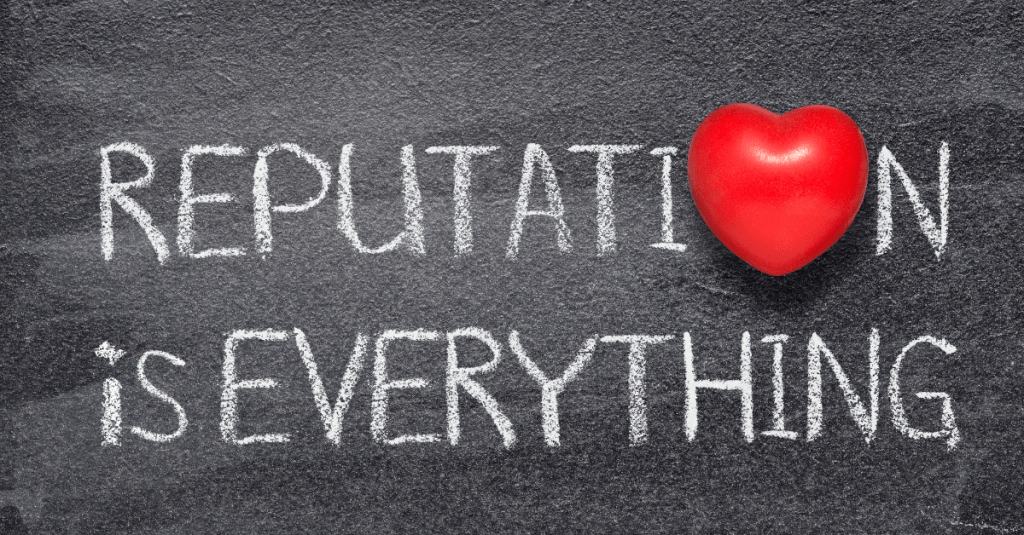
  • Two Weeks, Two Bad Experiences: What They Taught Me About Reputation

    If you want to ruin your business or personal brand, poor communication will do it faster than anything else. I was reminded of this twice in the last two weeks after dealing with two businesses that completely dropped the ball.

    We talk so much about branding, marketing, messaging, social media strategy… but none of it matters if the actual experience people have with you doesn’t match the image you’re projecting.

    Whether you run a business brand or your personal brand (yes, we all have a personal brand), your reputation is being shaped every single day, by how well (or how poorly) you communicate.

    It doesn’t take much to damage trust:

    • A missed message
    • A last-minute cancellation
    • A lack of clarity
    • Not following through
    • Silence when someone is expecting a response

    These may seem small, but they add up…and they can wreak havoc on your brand faster than any marketing strategy can fix it.

    So let’s talk about how to protect the thing that runs your career, your relationships, and your opportunities: your reputation.

    Below are 7 things NOT to do if you want a personal brand that leaves a long-lasting, positive impact.


    7 Things NOT To Do If You Want a Strong Personal Brand

    1. Don’t disappear or go silent.

    Ghosting someone is the worst, nothing kills trust faster than a lack of communication. Even if you don’t have an answer yet, say so. Silence creates frustration, assumptions, and doubt, and it just doesn’t feel good.

    2. Don’t overpromise and then underdeliver.

    It’s better to be honest and realistic than overly ambitious and inconsistent. Your word matters. People remember reliability.

    3. Don’t ignore boundaries (yours or theirs).

    If you respond at all hours, accept every request, or say yes when you mean no…you’re setting up a pattern that eventually breaks down.
    Boundaries show self-respect and build respect from others.

    4. Don’t be vague, unclear, or confusing.

    Clear communication = clear expectations. Unclear communication leaves people guessing, and guessing rarely works in your favor.

    5. Don’t delay resolving issues.

    Avoiding a problem doesn’t make it go away, it makes it bigger.
    Address mistakes, misunderstandings, or complaints quickly and professionally.

    6. Don’t forget the follow-up.

    Following up shows professionalism, dependability, and care.
    People notice when you remember them. They also notice when you don’t.

    7. Don’t treat people differently based on what you can gain.

    Your brand is built on how you treat people when no one’s watching and when you think there’s nothing in it for you. Kindness and integrity always pay off…often in ways you don’t see immediately.


    Food For Thought

    A great personal brand isn’t built through perfection — it’s built through consistency.

    • Consistent communication
    • Consistent integrity
    • Consistent follow-through

    Your reputation is working for you or against you every single day. Make it work for you by choosing to show up with clarity, honesty, and professionalism in every interaction.

    Have you had a bad experience due to poor communication? How have you dealt with it? Drop a comment and share your tips.

    Denise xo

    Leave a comment

  • Breaking the Cycle: Choosing Quality Over Quantity

    Let’s talk overindulgence.

    You know what I mean—the endless cycle of wanting, buying, and replacing before we’ve even used what we already have. Our culture measures success by how much we own, not by how well those things serve us. And before we even finish that “must-have” product, we’re already scrolling for the next big thing.

    I personally believe social media fuels this obsession. The “hot” skincare product that promises miracles, the magic weight-loss pill, the jeans that flatter every body type—it’s all marketed as essential, and clearly, we can’t live without it.

    Just the other day, I was scrolling and couldn’t help but notice how many ads flooded my feed. IYKYK. Not only is it annoying, but it’s also frustrating—because I barely see my friends’ posts unless I go searching for them. This wasn’t the original purpose of social media, was it?

    The Shift Toward Intentional Consumption

    In a world that constantly pushes us to do more, buy more, and consume more, choosing quality over quantity is an act of intentional living. Whether it’s the clothes we wear, the books we read, or the content we consume, being mindful about what we allow into our lives leads to more fulfillment, less clutter, and greater purpose.

    Check out this great article from Live The Minimalist Lifestyle that breaks down how prioritizing quality over quantity can lead to more meaningful experiences, stronger relationships, and a healthier mindset. Sooo good!

    I’ll be the first to admit: I’m working on this.

    Take my body wash, for example. I’ve been guilty of buying a new one when the current bottle is still a third full—just to try something different. Not my proudest moment. As a nature lover, I care deeply about preserving the trails I travel, which means being aware of my carbon footprint. But let’s be real—buying “clean” products or sustainable brands doesn’t mean much if we’re still being wasteful.

    So, no—I’m not sitting here on my high horse (or in my case, my couch with a broken ankle) judging everyone else. I’m writing this as much for me as I am for you. So, here we go!

    3 Ways to Be More Conscientious About Quality Over Quantity

    🌱 1. Press Pause Before You Purchase (eek! this is a tough one)
    Before you buy something, ask yourself:

    • Do I actually need this?
    • Is it well-made and built to last?
    • Am I buying out of habit, boredom, or pressure?

    Try the 30-day rule (or even 15): If you still want it in a month, it’s likely a thoughtful purchase rather than an impulse buy.

    🌱 2. Curate What You Consume
    Not just products—but content, too.

    • Follow accounts that add value, not just sell you something.
    • Choose books that challenge you instead of ones you’ll forget in a week.
    • Limit digital noise—unsubscribe, unfollow, delete what doesn’t serve you. (This one is HUGE!)

    🌱 3. Embrace the Joy of Using What You Already Have
    There’s something incredibly satisfying about finishing a product before replacing it.

    • Rotate through your wardrobe instead of buying another trendy outfit.
    • Read the books on your shelf before adding new ones to your cart.
    • Find joy in appreciating what you own instead of chasing the next new thing.

    The Power of Less, But Better

    Choosing quality over quantity isn’t about deprivation—it’s about intention.

    It’s about owning less but loving it more, consuming media that actually inspires you, and making purchases that truly add value. By shifting our mindset, we create space for more clarity, more purpose, and less clutter—physically and mentally.

    So, what’s one area of your life where you’re trying to choose quality over quantity, and purchase with purpose? Let’s talk in the comments. ⬇️