Tag: Lifestyle

  • Confessions of an Overthinker (Hi, It’s Me 👋)

    Hey you! Yeah, you… Are you an overthinker?

    I was talking to a friend today — another serial overthinker whose name shall remain confidential (we’ll call her Nancy to protect her identity 😉).

    Nancy and I were working on customer follow-ups when we both had an aha moment: shorter, more authentic communication is better for the customer and better for us. And yet… there we were, overthinking it to death. Sound familiar?

    Let’s be real — overthinking is exhausting. You replay conversations, second-guess your ideas, delay decisions, and procrastinate on important stuff because… what if it’s not perfect? Cue the sigh. Overthinking feels productive, but it’s actually a master thief — stealing your clarity, confidence, and energy.

    Worse? It feeds right into imposter syndrome. So really, what are we doing?!

    It’s the fast track to paralysis analysis — too many options, too much pressure, and very little action.

    But here’s the truth bomb:
    👉 You don’t need more information. You need more self-trust.
    And trust doesn’t come from being perfect — it comes from taking messy, meaningful action.

    So let’s break the cycle and talk about how to get out of your head and back into alignment.


    Why We Overthink:

    • Fear of failure – We just want to get it right.
    • Imposter syndrome – We doubt we’re enough.
    • Perfectionism – We think every move must be flawless.
    • People pleasing – We’re afraid of disappointing others.

    Spoiler alert: Overthinking doesn’t protect us — it just keeps us stuck.

    🔥 The antidote? Think less. Trust more.


    10 Pro Tips to Overcome Overthinking + Trust Yourself More

    1. Name the Fear
      Get real with yourself: what are you actually afraid of? Naming it takes away its power. Write it down. Say it out loud. Shine a light on it. (Ugh, yes… totally me.)
    2. Try the 5-5-5 Rule
      Ask: Will this matter in 5 days, 5 months, or 5 years?
      Spoiler: probably not. Let it go.
    3. Set a 10-Minute Timer for Decisions
      Your gut usually knows. Give yourself a time limit, listen to your intuition, and go.
    4. Shift from “What If” to “Even If”
      Swap “what if I fail?” for “even if I fail, I’ll learn and grow.”
      That’s where real confidence begins.
    5. Take Imperfect Action
      Progress > perfection. Every time. People are surprisingly forgiving of imperfection when you’re being real.
    6. Create a Daily “Get Unstuck” Ritual
      Walk. Meditate. Dance. Journal. Pray. Voice-record your spiraling thoughts and play them back — they’ll usually sound way less scary than they feel.
    7. Surround Yourself with Action-Takers
      Energy is contagious. Hang with people who move forward, trust themselves, and make bold choices. You’ll soak it up.
    8. Cut the Info Overload
      More content doesn’t equal more clarity. Unfollow, unsubscribe, and tune back in to your own voice.
    9. Anchor into Your Values
      Ask: Is this aligned with who I am and what matters to me? If yes — go. If no — pause.
    10. Celebrate the Tiny Wins
      Confidence is built one decision at a time. Track the small stuff. Reflect weekly on what went right, not just what went sideways.

    🌟 Bonus Tip:
    Stop using ChatGPT for EVERYTHING. Your voice matters. People want your words, your stories, your quirky brilliance. Use tools to enhance, not replace, your authenticity.


    Final Thought

    You’re not here to be perfect. You’re here to be real, honest, and brave. Overthinking won’t get you there — but aligned, imperfect action will.

    So the next time you’re spiraling, pause and ask:

    “What would I do if I trusted myself completely?”

    Then… do that.

    No need to go all in right away — pick a couple of tips to try and ease into the anti-overthinking life. Baby steps, my friend. That’s the vibe I’m going with.

    I’d love to hear how you’re breaking the overthinking habit. Drop a comment, and let’s elevate each other.

    Make Moves & Live Boldly,


    Denise xo

  • Who’s Training Who? My Dogs Might Be the Real Life Gurus

    I’ve hired and worked with many consultants over the course of my career, taken many leadership training classes, subscribed to podcasts, and read and highlighted pages in some of my favorite personal development books. But it turns out, my best life coaches have been at my side (and under my desk) this whole time. They have four legs, fur, and absolutely no understanding of personal space. NONE.

    Meet Stanley and Stella — my rescue pups, my furry soulmates, and, as I’ve recently realized, my life coaches. They may not have diplomas and degrees, but they’ve got great insight. Their wisdom is simple, consistent, and always delivered with a tail wag…especially when treats are involved.


    Masters of Presence
    Stanley doesn’t care about what happened yesterday. Stella isn’t worried about next Tuesday’s meeting. They are fully present. They remind me to stop overthinking, to notice the breeze on a walk, and to enjoy the moment I’m in. When we’re outside, they’re not scrolling, comparing, or planning. They’re living. That’s a lesson I didn’t know I needed.


    Loyalty and Love, Unfiltered
    There is something grounding about coming home to a pair of dogs who act like you’ve been gone for years, even if it’s only been 20 minutes. I mean, seriously, they lose their minds! Their loyalty is unwavering. They remind me to nurture relationships that feel that steady and supportive. If your people don’t light up when you walk in the room, find the ones who do.


    Boundaries Are Everything (except when it comes to personal space..then forget it)
    When Stanley is done for the day, he’s done. He doesn’t ask for permission to take a nap in a sunny corner of the room. He doesn’t feel guilty about rest. He plays hard and rests harder. Stella, on the other hand, has a clear internal clock. She knows when it’s time to pause and when it’s time to move. Lesson learned: rest is productive. Recharge like your well-being depends on it — because it does.


    No Overthinking Allowed (this is a big one, guys!)
    Dogs don’t spiral. They don’t get imposter syndrome or anxiety over what someone meant by “see you soon,” or “k.” They show up exactly as they are. Stella walks into a room like she owns it (and let’s be real, she does). That kind of confidence is contagious. She teaches me to stop second-guessing and start trusting my gut.

    Here’s another life lesson…sometimes when someone says “k” or “see you soon” that’s all it means. Nothing else…just acknowledgement. Let’s try to keep that in check. We don’t have to overanalyze every. single. thing. Dogs sure don’t!


    Consistency Is Queen (and King)
    Walks, meals, treats, and bedtime routines — dogs thrive on structure. And when I stick to a rhythm with them, I thrive too. They’ve taught me that consistency doesn’t mean boring; it means steady growth, predictable peace, and sustainable habits. Showing up daily (even for a walk around the block) is more powerful than waiting for the “perfect” moment.


    So, What If We Took a Page from Their Playbook?

    Stanley and Stella don’t need apps, calendars, or vision boards. They just need love, movement, rest, and purpose. And maybe some peanut butter. They remind me that being present, showing love, setting boundaries, trusting myself, minding my business, and staying consistent are more than just life lessons — they’re a lifestyle.

    My final lesson today? Technically, I’m the one holding the leash—but when it comes to life lessons, they’re leading the pack. 😉

    Make Moves, Live Boldly!

    Denise xo

    **Got a furry life coach of your own? Drop their name and best lesson below!

  • Navigating Menopause with Strength, Grace, and Grit

    Alright, guys… this might be your cue to exit stage left — no hard feelings. 😉

    Now, for the rest of us….
    Let’s talk about something few of us are or were truly prepared for — menopause. It often arrives unannounced and unapologetic, like a full-force shift you never saw coming. It’s physical, emotional, hormonal — and honestly? A little disorienting.

    But here’s the reframe:
    This isn’t just a phase to “get through.” It’s a powerful opportunity to reconnect with our bodies, shift our mindset, and redefine how we show up for ourselves — stronger, more aware, and in control.

    The Phases: What You Didn’t Learn in Health Class (at least not in my health class)

    Menopause isn’t just one moment — it’s a transition that unfolds in stages:

    • Perimenopause (often begins in your 40s): Irregular periods, hot flashes, mood shifts, and sleep disturbances.
    • Menopause (official when you’ve gone 12 months without a period): A hormonal shift that can affect everything from metabolism to brain fog.
    • Postmenopause (after the 12-month mark): Symptoms may ease, but risks like bone density loss and heart health become more relevant.

    The truth? Every body experiences this differently. But you’re not alone — and you don’t have to just “deal with it.” AND, if your doctor tells you to deal with it, run, don’t walk and find a new OBGYN.


    How to Stay Strong (Even When You Don’t Feel Like It)

    Menopause can feel like your body is working against you. Fatigue, weight gain, muscle loss — all real. But here’s the empowering truth: you can take back control with doable, consistent habits that support your strength and vitality.

    Strength Training Is Non-Negotiable

    As estrogen levels drop, muscle mass and bone density decline — making resistance training essential. Lifting weights 2–4 times per week helps:

    • Boost metabolism
    • Support joint and bone health
    • Improve mood and cognitive function

    You don’t need a fancy gym. Dumbbells, resistance bands, or even bodyweight circuits can build major strength.

    🌿 Check out this article in EatingWell Magazine, “The #1 Habit to Start When You’re in Menopause, According to an OBGYN and a Physical Therapist.”

    Walk Daily… and with a Weighted Vest

    Walking remains one of the most accessible forms of movement — but adding a weighted vest ups the ante:

    • Increases calorie burn
    • Builds bone strength
    • Improves cardiovascular endurance
      It’s also gentle on the joints and a great way to clear your mind.

    Connect with Other Women in This Season

    Menopause isn’t just physical — it’s deeply emotional. Community is medicine. Surrounding yourself with women who get it can:

    • Reduce feelings of isolation
    • Offer tips, resources, and honest conversation
    • Remind you that you’re not in this alone

    Find a circle, group, or even a walking buddy. It matters.

    The Power of Bioactive Peptides

    If you’re looking to support your body from the inside out, bioactive peptides can be a game-changer. They help:

    • Improve collagen production (goodbye joint aches + skin dullness)
    • Weight management the natural way
    • Support lean muscle growth and recovery
    • Regulate inflammation and boost energy
    • Decrease mortality rates of all diseases

    Think of peptides as your secret weapon for navigating this hormonal shift with more ease and vitality. (Head to the Wellness page to learn more about the power of peptides.)


    Final Thoughts: This Isn’t the End — It’s a Reset

    Menopause isn’t something to dread. It’s a powerful rite of passage — a chance to reimagine how you take care of your body, prioritize yourself, and define your next chapter.

    Strong. Powerful. Clear. Connected. That’s the goal.

    And remember: you’re allowed to rewrite the rules on what this season looks like — and feels like.


    🔍 Educational Websites & Tools

    • NAMS (North American Menopause Society)
      Evidence-based info from top menopause experts; find a certified menopause practitioner.
    • My Menoplan
      A symptom-tracking and planning tool built by clinicians to help women navigate perimenopause and menopause.
    • Genev
      Virtual menopause care with health coaches, telehealth, articles, and community forums.

    Make Moves, Live Boldly,

  • If You Knew Tomorrow Would Change Everything, How Would You Live Today?

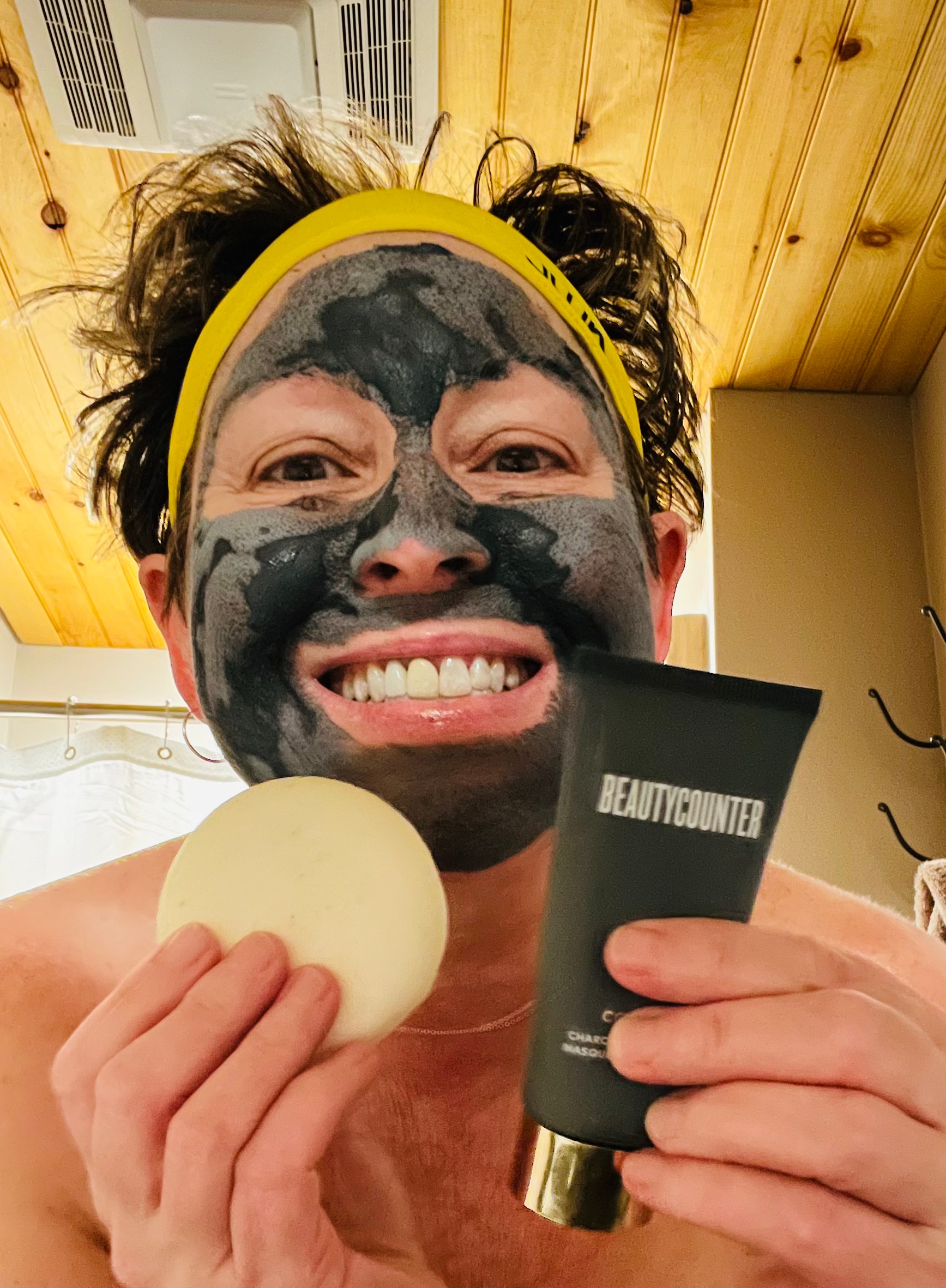
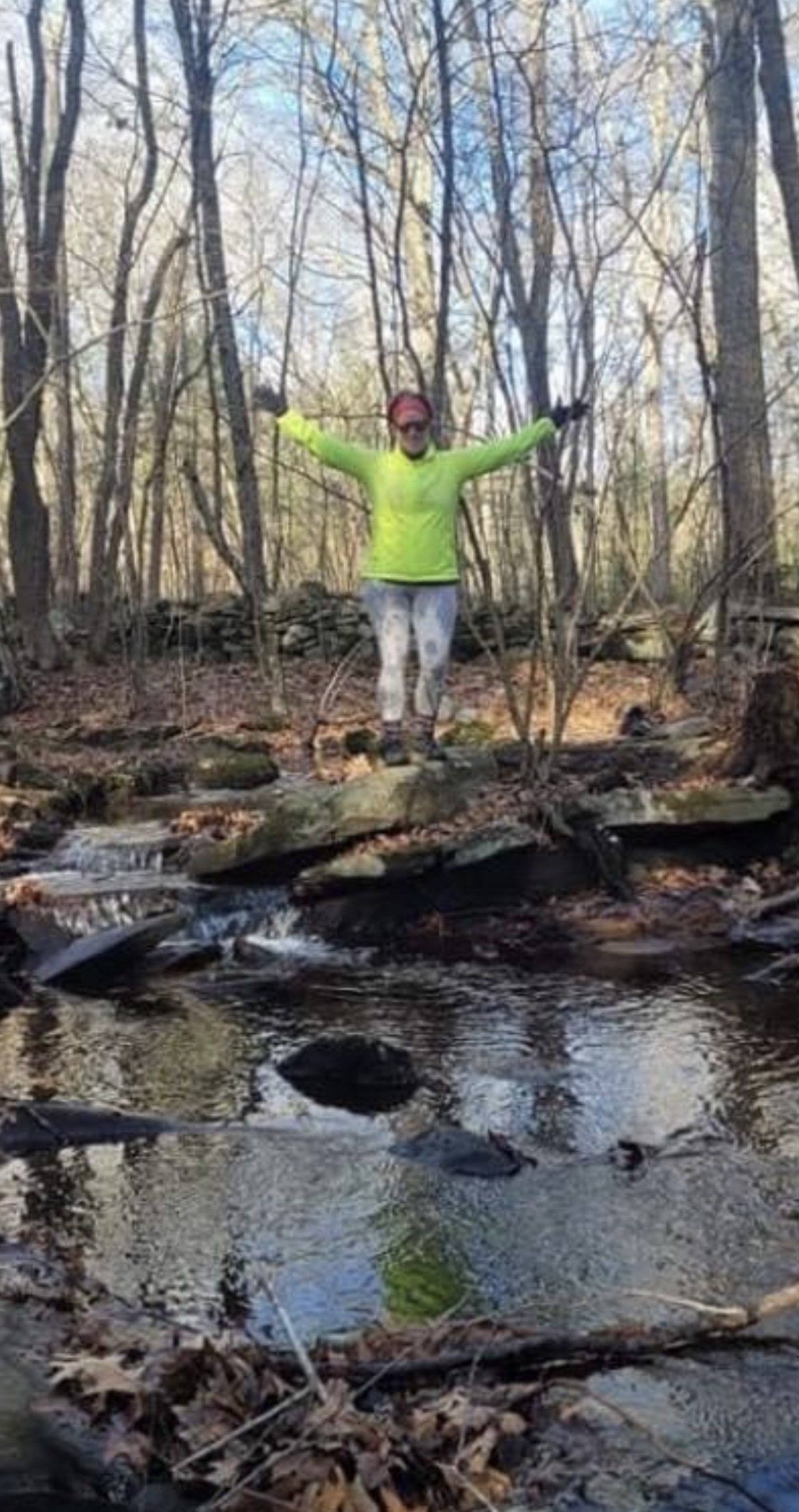
    January 1st started like any other day. I was out on the trails — doing what I love — feeling strong, hopeful, and excited about everything I had planned for the new year. I was having fun, taking selfies, showing off some of my favorite skincare, soaking in the fresh start that January always seems to bring. In that moment, life felt solid. Safe. Predictable.

    And then, less than 24 hours later, everything changed.

    One misstep.
    One fall.
    One accident that I never saw coming.

    The day after that first picture was taken, I found myself hurt, scared, facing a serious surgery, and unsure of what the next few months — or even the next few days — would look like. Everything I thought I could count on — my routines, my independence, my physical strength — was stripped away in a second.

    And when I look back now at the photos side by side, it almost doesn’t feel real. How can life shift so dramatically between one sunrise and the next?

    It’s a gut punch reminder that nothing is promised. Not our health. Not our plans. Not even our ability to lace up our shoes and walk out the door.

    If you knew your life could change tomorrow, how would you live today? Would you rush through it? Would you waste it on things that don’t matter or people who aren’t worthy of your time or mind space? Would you stay quiet about the dreams that are burning inside you, waiting for the “right” time?

    Or would you wake up?

    Would you say the thing you’ve been meaning to say? Would you finally take the risk? Would you stop waiting for the “perfect moment” to start living fully? Would you finally start focusing on your health and wellbeing?

    I wish I could go back and tell the version of me on January 1st:
    Savor it. Really, truly savor it. Laugh harder. Hug tighter. Trust your strength, but also respect how fragile this life is.

    But since I can’t go back, I can only move forward — differently.
    Wiser.
    Softer.
    More awake to the small, beautiful details of every day.

    The truth is, life will change. We just don’t get to choose when.

    But we do get to choose how we live right now.

    And today, I’m choosing gratitude. I’m choosing courage.
    I’m choosing to live like it could all change tomorrow — because it can.

    If you’ve been waiting for a sign to do the thing — this is it.
    Book the trip. Start the business. Write the book. Lift weights like your life depends on it — because it does. Get outside. Soak in the sun. Chase the moments that make you feel alive. Whatever it is that’s been tugging at your heart, now is the time.

    We can’t control what tomorrow brings. But we can choose to live fully today.

    Make Moves, Live Boldly!

  • The Key to Aging Well: Why Wellness Matters More Than Ever

    Aging is inevitable—but how we age is in our hands. The choices we make today shape how we feel, move, and thrive in the years ahead. I wish I knew at thirty, what I know today, but don’t we all?!

    That’s why I’m deeply passionate about fresh air, strength training, good nutrition, community, and the power of ingestible peptides—five wellness pillars that have transformed my own approach to aging and vitality.

    Wellness as the Foundation for Healthy Aging

    True wellness goes beyond just looking good—it’s about feeling strong, energized, and resilient as we experience life’s stages. Our bodies are constantly changing, and prioritizing wellness isn’t just a luxury—it’s a necessity for successful long-term health.

    The Hidden Danger of Being “Skinny Fat”

    Have you ever heard someone say they don’t need to focus on nutrition or exercise because they’re naturally thin? Many people focus solely on weight when assessing their health, but body composition matters more than the number on the scale. Studies have shown that people with low muscle mass but higher fat percentage—often referred to as “skinny fat”—face increased risks of metabolic disorders, osteoporosis, and early aging (Medical News Today). YES, READ THAT AGAIN!

    This is why strength training and proper nutrition are crucial, not just for aesthetics but for long-term health and longevity.

    Fresh Air: A Natural Reset for Mind and Body

    There’s something deeply rejuvenating about stepping outside, breathing in fresh air, and moving your body. Whether it’s a walk in nature, a morning run, or simply soaking in the sun, fresh air:
    ☀️ Reduces stress and enhances mental clarity
    ☀️ Supports cardiovascular health
    ☀️ Boosts immune function

    Nature has a way of reminding us to slow down, reset, and reconnect with our well-being. Nature’s benefits are highly under utilized in our healthcare system (in my opinion). If you look at other countries, it’s very common to be prescribed 30-60 minutes daily of fresh air, sunshine, and movement. I believe this is an area we can vastly improve upon, so here’s your nudge…grab your sneakers or hiking boots, and get outside!

    Strength Training: The Anti-Aging Secret

    Muscle loss is one of the biggest challenges of aging, but it’s not inevitable. Ladies, this is a big one! Strength training is one of the most powerful ways to preserve muscle, boost metabolism, and protect bone health. Incorporating resistance training into your routine can:
    💪🏼 Increase strength and mobility
    💪🏼 Reduce the risk of injury and osteoporosis
    💪🏼 Support hormone balance and longevity

    Lifting weights isn’t just about aesthetics—it’s about maintaining independence, energy, and resilience as we age. If you don’t know where to start in the gym, hire a trainer/coach.

    **Let me know if you need help, I know a lot of fitness pros who can help you get started, online or in-person.

    Good Nutrition: Fueling Longevity from the Inside Out

    What we eat plays a massive role in how we age. Food isn’t just fuel—it’s information for our cells. A diet rich in whole, nutrient-dense foods can:
    🥗 Support gut health and digestion
    🥗 Provide essential vitamins and minerals for cellular repair
    🥗 Reduce inflammation and slow down aging

    Prioritizing lean proteins (super important), healthy fats, fiber-rich vegetables, and antioxidant-packed foods helps our bodies function optimally, keeping us energized and resilient.

    Ingestible Peptides: A Game-Changer for Cellular Health

    One of the most exciting breakthroughs in wellness is the power of bioactive precision peptides.

    Exciting research is underway exploring how bioactive precision peptides can support cancer patients, as well as individuals with chronic conditions such as autoimmune diseases, metabolic disorders, and neurodegenerative diseases. Scientists are also investigating their potential in areas like gut health, muscle preservation, and overall cellular regeneration.

    These potent compounds support cellular function, helping to:
    🌱 Boost collagen production for skin, hair, and joints
    🌱 Enhance muscle recovery and performance
    🌱 Support weight loss, immune function, and overall vitality

    Since incorporating peptides into my routine, I’ve experienced noticeable changes in my energy, recovery, and overall well-being. I’ve seen firsthand how they help with muscle retention, skin elasticity, and overall resilience—things that become even more important as we age.

    This was one of the biggest reasons why I partnered with the groundbreaking company Make Wellness and launched a business helping others find solutions that are effective, science-backed, plant-based, and affordable. I truly believe that aging well shouldn’t be complicated or expensive—it should be accessible to everyone who wants to feel stronger, healthier, and more vibrant.

    Whether you’re looking to improve athletic recovery, support your skin and joints, or simply feel better in your daily life, these peptides can be a game-changer. If you’re curious about how they work or if they’re right for you, I’d love to share more about my experience!

    Power of Community in Wellness

    Wellness isn’t just about what we eat, how we move, or the supplements we take—it’s also about the people we surround ourselves with. The saying, “you are who you surround yourself with” is absolutely true. Having a strong, supportive community can make all the difference in staying motivated, accountable, and inspired on our health journeys.

    🫶 Encouragement & Support – Being part of a like-minded group can push you to stay consistent and celebrate your wins, no matter how small.
    🫶 Knowledge & Resources – The right community can introduce you to new wellness strategies, expert insights, and shared experiences that help you grow.
    🫶 Connection & Purpose – Feeling connected to others improves mental well-being, reduces stress, and reminds us that we’re not alone in our challenges.

    That’s why I’m so passionate about creating a space where people can come together, share their wellness journeys, and lift each other up. Whether it’s through Make Wellness, Instagram, or my women’s group in Facebook, I love seeing people find strength—not just in their bodies, but in the relationships they build along the way.

    At the end of the day, wellness isn’t just about aging well—it’s about living well, together. Surround yourself with people who inspire you, challenge you, and remind you that you’re capable of incredible things.

    The Bottom Line: Invest in Your Future Self

    Aging doesn’t have to mean decline—it can mean strength, vitality, and longevity. By prioritizing fresh air, strength training, good nutrition, strong communities, and the power of ingestible peptides, we can take control of how we age and live with energy and purpose.

    Wellness is an investment in your future. Are you making yourself a priority today?

  • Politics and Personal Relationships: How We Can Do Better

    Yep, I’m diving in! But don’t worry—it’s all about conversation, not confrontation.

    Let me start by asking—remember when no one knew (or cared) which political party you supported? I miss those days. But thanks to the internet and social media, those lines have been blurred forever.

    Lately, I’ve noticed a shift on LinkedIn (a platform that I thought for sure would stay out of politics), and if you’ve been there long enough, you might have noticed it too. What was once a platform primarily for professional growth, networking, and industry insights has become increasingly political. Discussions that were once reserved for other social media platforms are now front and center, with political opinions, debates, and even outright arguments filling the feed.

    This shift raises some big questions for me:
    🔹 How does this impact job seekers who rely on LinkedIn to build their careers?
    🔹 Are small business owners and entrepreneurs feeling more (or less) freedom to be authentic—or more pressure to take a stance?
    🔹 Are companies making hiring or business decisions based on political beliefs?

    This shift got me thinking: Is there a way to have these discussions without damaging personal and professional relationships? Because whether we like it or not, politics is everywhere—our workplaces, social circles, and even family gatherings. And while being informed and engaged is important, the growing polarization has also created deep divisions.

    But does it have to be this way? Can we explore political differences without making everything a battleground? I believe we can. And that’s why I’m going all in on this conversation, because it’s as much for me as it is for you.

    The Rise of Political Polarization

    There’s no denying that political discourse has become more intense. Social media and search engines are designed to amplify opinions, often creating echo chambers where we’re only exposed to perspectives that reinforce our own. Meanwhile, news outlets tailor content to specific ideologies, making it easier than ever to stay within our comfort zones.

    Here’s a thought-provoking challenge: Try searching for the same topic as a friend or colleague and compare your results. Chances are, you’ll see different information. That’s not a coincidence—it’s by design. If you’ve seen The Social Dilemma, you know how algorithms shape what we see, subtly influencing our beliefs and interactions. In many ways, we’re all being manipulated—whether we realize it or not.

    Check out this short clip (it’s a fascinating documentary worth watching):

    But here’s the reality: No two people will ever agree on everything. Expecting complete alignment—whether in politics, religion, or lifestyle choices—is unrealistic. Healthy relationships and societies are built on diverse perspectives and respectful debate, not total agreement.

    And here’s another reality: Every time a new political administration takes power, those who didn’t vote for them will inevitably find fault with their decisions. It’s a predictable cycle—one side cheers, the other side critiques. Policies shift, priorities change, and no matter who’s in charge, opposition always finds something to criticize.

    Oh, and one more thing—you can’t judge someone’s political beliefs by their appearance or lifestyle. Wearing a flag shirt, driving a certain car, or listening to country music doesn’t automatically place someone in a political box. We need to move past stereotypes and stop making assumptions about people.

    We are complex human beings, shaped by diverse experiences and values. While we may lean one way or the other, few of us align 100% with any party. We hold nuanced opinions, disagree even with “our own side” at times, and make decisions based on more than just political labels. It’s a reminder that real conversations—not assumptions—are what truly help us understand one another.

    Why Losing Relationships Over Politics Isn’t Worth It

    At the end of the day, our relationships—whether personal or professional—are built on much more than political views. Shared experiences, mutual support, and personal history should matter more than a difference in voting decisions.

    Ask yourself:
    ✅ Will today’s political debate matter in five years?
    ✅ Does winning an argument feel better than maintaining a meaningful relationship?
    ✅ Are you listening to understand, or just waiting to respond?

    Of course, some differences are deeply personal, and certain beliefs may feel harder to reconcile. But in most cases, a disagreement doesn’t have to mean the end of a relationship—especially if both people approach the conversation with mutual respect.

    How to Be More Tolerant of Different Views

    1. Practice Active Listening – Instead of reacting immediately, take a moment to truly hear the other person’s perspective. Ask questions, seek understanding, and look for common ground.
    2. Recognize That People’s Experiences Shape Their Views (this is HUGE)– Backgrounds, upbringings, and life experiences influence opinions. Understanding someone’s story can help bridge divides.
    3. Agree to Disagree – Not every conversation needs a resolution. Sometimes, the best approach is to acknowledge the difference and move on.
    4. Know When to Walk Away – If a discussion becomes heated or unproductive, it’s okay to change the subject or take a break. Protecting your peace is just as important as expressing your views.
    5. Respect Boundaries – If someone prefers not to discuss politics, honor that. Forcing the conversation rarely leads to positive outcomes.
    6. Lead with Kindness (this should actually be first on the list)– You don’t have to agree with someone to treat them with respect. Kindness and civility go a long way in keeping relationships intact.

    Bringing It All Together

    Politics may be more visible than ever—especially on platforms like LinkedIn—but it doesn’t have to define our relationships. We can choose to engage with openness, prioritize understanding over division, and remind ourselves that people are more than their political beliefs.

    Disagreements are inevitable, but how we handle them is a choice. By focusing on respect, listening, and the bigger picture, we can create healthier conversations and, more importantly, stronger relationships—both online and offline.

    💬 What do you think? Have you found ways to share political differences while maintaining important relationships? Let’s talk about it below!

    Let’s Connect!

    Leave a comment

  • Surviving a Narcissist: The Toxicity, The Chaos, and The Lessons

    Have you ever been the target of a narcissist? If so, you know the mental gymnastics, the manipulation, and the relentless toxicity that come with it. If you haven’t—consider yourself lucky.

    It wasn’t until later in my adult life and career that a narcissist quietly infiltrated my world. My narcissist disguised themselves as good, pure, loving, and honorable—a true chameleon. At first, it was all rainbows and butterflies—until, suddenly, I had no idea what hit me.

    My fight-or-flight instinct kicked in, but instead of running, I looked around at others, who seemed fine, and thought, “It must be me.” (Ugh…a home run for the narcissist.)

    The ironic part? The moment I started confiding in friends and family, they immediately said, “You’re dealing with a narcissist.” It wasn’t one big, obvious event—it was a slow, calculated unraveling. A series of tiny, almost imperceptible manipulations that built the foundation for something far more damaging.

    Fortunately for me, our relationship ended abruptly. At first, I was in shock. But with time—and a lot of self-reflection—I finally felt something I hadn’t in a long time: I could breathe again. Really breathe.

    I was recently talking to a friend about the crushing grip narcissists have on their victims and the slow surrender we unknowingly give them. It’s a psychological game—one designed to strip away your confidence and leave you questioning your reality. And escaping? That’s another battle entirely for so many.

    Breaking free from a narcissist feels like emerging from a cult-like trance—your identity shaken to its core. Thank goodness for the self-help section on Amazon, podcasts, and therapy, right?!

    The Narcissist’s Playbook: A Masterclass in Manipulation

    At first, they charm you (This is known as the honeymoon phase.). They praise your work, admire your talents, and build you up—only to slowly chip away at your confidence. The gaslighting is subtle at first:

    🌀 “I never said that.” (They did.)
    🌀 “I’m sorry you feel that way.” (Zero accountability.)
    🌀 “I’ve done so much for you, and it’s not appreciated.” (Lies.)

    Before you know it, you’re walking on eggshells, second-guessing yourself, and questioning truths you once knew. That’s the toxicity of a narcissist—they LITERALLY rewrite reality to serve their ego.

    The Fallout: Breaking Free from the Cycle

    Realizing you’re in a narcissist’s grip feels like waking up from a nightmare you didn’t know you were trapped in. You start seeing the patterns, the control, the meanness, the manipulation—but getting out? That’s where the real fight begins, especially for those married to one (for the sake of my husband, I want to clarify that I’m not referring to him here).

    Narcissists don’t let go easily. They crave control. They twist narratives, spread lies, and play the victim to maintain their power. And when you finally break free? They’ll do everything in their power to paint you as the villain.

    The Lesson: Reclaiming Your Power

    Here’s the good news—you learn. You recognize the red flags sooner. You set boundaries quicker and stronger. And most importantly, you take back your power!

    If you’ve been through this, you’re not alone. The scars narcissists leave behind are real, but they’re also proof that you survived.

    Want to Outsmart a Narcissist? Listen to This.

    Mel Robbins has hosted remarkable guests who break down the psychology of narcissists—and, more importantly, how to break free from their grip. If you haven’t listened to Outsmart a Narcissist: A Proven 4-Step Plan to Take Your Power Back, it’s a must, so grab your 🎧 headphones and listen with intention and purpose.

    I listened to it on a hike—the place I go to find clarity. I’d love to know what you think after you listen to the full episode.

    For anyone who needs some tips and strategies, I’m including a great resource I found from The Counseling Center Group. Here is “How to Handle a Narcissist: 8 Effective Strategies For Self-Care.

    Have you ever dealt with a narcissist? Drop a comment or share your experience—because the more we talk about it, the more we reclaim our power, and the more we help others.

    Make moves, live boldly!


    2 responses to “Surviving a Narcissist: The Toxicity, The Chaos, and The Lessons”

    1.  Avatar
      Anonymous

      You nailed it! Thanks for sharing and reminding us to assess all relationships. Life’s too short to spend time with the wrong people.

      Like

      1. Denise Irving Avatar

        Thank you so much for reading my post, and I’m glad it resonated with you. For people who haven’t experienced this behavior it can take some time to realize what is happening in the relationship.

        Assessing all relationship is spot on!

        Like

    Leave a comment

  • Navigating a Fast World on a Slow Path

    I was chatting with a friend and mentioned I was having a tough day. After listening, she encouraged me to write about it. So, her push for me to be open and honest led to this post—a raw reflection of my frustration and reality.

    I never imagined a shattered ankle would be my wake-up call, but life has a way of delivering unexpected lessons. One moment, I was moving effortlessly through my days; the next, I was sidelined, kicked out of my active lifestyle—grappling with anxiety, depression, relying on others for the smallest of tasks, and adjusting to life with a walker, knee scooter, and boot. Suddenly, I was forced to see the world through a completely different lens, confronting the daily frustrations of a society that isn’t designed for those with mobility challenges.

    Imagine going from living independently to carefully strategizing how to get in and out of your own home. Let me tell ya, it sucks! Simple movements become calculated efforts, and every outing feels like an obstacle course. It’s a humbling shift that opened my eyes to struggles so many people face—struggles often invisible in a world built for speed and convenience.

    From the moment I left the hospital, one truth became painfully clear: our society prioritizes efficiency and accessibility, but only for the able-bodied.

    The simplest tasks—getting through a doorway, maneuvering through a store, getting in and out of cars, climbing stairs, cooking, or even navigating sidewalks—become daunting obstacles. True resilience isn’t just about physical strength; it’s about adapting, problem-solving, and pushing forward in a world that often isn’t built for everyone.

    The Everyday Struggles We Don’t See

    Before my injury, I never noticed how difficult it was to find a ramp that wasn’t blocked or how hard it was to navigate a crowded space without feeling like an inconvenience. Now, I have no choice but to experience it firsthand. Doors without automatic openers, uneven sidewalks, narrow aisles, inaccessible bathrooms—barriers I had overlooked were now glaringly obvious.

    I find myself exhausted, not just from the physical strain of getting around, but from the constant mental calculations required to do basic things. And if I, someone with a temporary injury, feel this way, what about those who face these challenges every single day?

    The Fight to Live Fully

    The real flex…despite these obstacles, people with disabilities courageously push forward, building careers, chasing dreams, and making an impact—all while navigating a world that often forgets them. Their perseverance isn’t just inspiring; it’s a testament to the human spirit.

    But should it be this hard? Should people have to fight this much just to live a fulfilling life? Absolutely NOT!

    Slowing Down and Showing Up

    This experience has made me more aware, compassionate, and determined to do better moving forward. Accessibility isn’t just about ramps and wider doorways—it’s about mindset. It’s about slowing down long enough to notice who is being left behind and taking action.

    So, let’s pause. Let’s take an extra few seconds to hold a door, clear a path, offer assistance, or simply acknowledge that not everyone can keep up with the chaotic pace of the world.

    Because if life is moving too fast for us to extend a hand, maybe it’s time to rethink the way we’re moving altogether.

    True progress isn’t just about innovation, but inclusion. The burden of accessibility shouldn’t fall solely on those who struggle—it should be a shared responsibility. If we all take small steps toward awareness and action, we can create a world where no one feels like an afterthought.

    I found this great article: 15 Ways to Show Kindness to People with Disabilities—it offers small but meaningful ways to make a difference. Because the goal isn’t just to help people get by; it’s to empower them to excel.

    As I close, the question I will ask myself as I slowly begin to get my legs under me again: How can I be a better human and help those individuals not just get by, but truly thrive?

    I’d love to hear your thoughts. Drop a comment, and let’s talk!👇🏼


    Leave a comment

  • Why Strength Training for Life Matters!

    Everyone trains to avoid injuries, but few train to overcome them.

    Injuries happen when we least expect them (I was literally standing still)! I never truly understood the depth of injury recovery until now! One moment, I was in my routine—running, lifting, moving the way I always had—and the next, I was forced to slow down, navigating pain, setbacks, and frustration. What I didn’t expect was how much effort, patience, and consistency it would take to heal, both physically and mentally.

    Another eye-opening realization is how poorly our society accommodates those who rely on wheelchairs, walkers, and other mobility aids. In the spirit of kindness, let’s take a moment to slow down, be more aware, and offer a helping hand when we can. Life isn’t moving so fast that we can’t make it a little easier for someone else. #humankindness

    What I’m learning through this experience is something I wish more people knew: strength training isn’t just about aesthetics or athletic performance—it’s about building a body that supports you for the sport of LIFE.

    What No One Tells You About Injury Recovery

    🔸 Healing Isn’t Linear

    Some days, it feels like I’m making real progress, and then suddenly, I’ll wake up feeling stiff, sore, and completely discouraged. Recovery isn’t a straight path—it’s full of ups, downs, and unexpected roadblocks. I have had to learn to listen to my body and trust the process.

    🔸 The Mental Toll is Just as Hard as the Physical

    I expected the physical pain, but I wasn’t ready for the mental toll an injury would take. Losing my independence—whether it’s training at the gym, driving, hiking with my dogs, or even doing everyday tasks like cleaning—has made me question everything. My patience, my progress, and even my identity as someone who thrives on movement. Staying motivated has been a challenge, especially while watching my friends live their full lives. I’ve had to work just as much on my mindset as I have on my recovery plan.

    🔸 Strength Training is the Key to Resilience

    I always knew strength training was important, but I didn’t realize just how much it mattered before and after injury. What I did in the gym before my injury is making my recovery easier, and what I do now will determine how strong and injury-resistant I am in the future.

    Strength training isn’t just about lifting heavy weights—it’s about:
    ✔️ Protecting joints and reducing the risk of re-injury
    ✔️ Building balance and coordination for everyday movement
    ✔️ Regaining mobility and functional strength after setbacks
    ✔️ Creating a strong foundation for long-term health

    Muscle is the organ of longevity. The stronger and healthier your muscles are, the better your chances of living a longer, healthier life. ~Dr. Gabrielle Lyon

    How I’m Rebuilding My Strength—And What You Can Do Too

    If you’re recovering from an injury or just want to bulletproof your body, here’s what working for me:

    1️⃣ Working With a Professional – A physical therapist, trainer, or strength coach can help ensure you’re moving properly and safely. Having a plan is making all the difference in my recovery.

    2️⃣ Focusing on Stability First – I’m to starting with the basics: core stability, joint mobility, and small controlled movements before jumping back into full workouts.

    3️⃣ Prioritizing Mobility and Flexibility – Daily stretching, mobility drills, and deep breathing is helping me regain movement while expanding my lungs, without putting too much strain on my body.

    4️⃣ Easing Back Into Strength Training – I’m starting light, focusing on proper form, and will gradually work my way back to heavier lifts. Compound movements like squats, lunges, dips, and deadlifts (when done correctly) are literally quality of life movements.

    5️⃣ Training For the Long Game – I’ve learned that consistency beats intensity every time. Recovery isn’t about how quickly I can get back to my old routine—it’s about coming back stronger, smarter, and more resilient. You can bet your bottom dollar (I know, mommism here) I will be fully committed to my training for the rest of my life.

    My Go-To Essentials for Recovery & Wellbeing

    Injury recovery goes beyond just rehab exercises. Supporting my body from the inside out has been a game-changer. Here are a few of my favorites that I can’t live without (links included):

    Peptides from Make Wellness – These bioactive precision peptides have helped me recover faster, improve muscle repair, calm my mind, and optimize my overall health. They are clean, safe, affordable and effective, and I swear by them! Especially Fit and Calm! Both play critical roles in my mind and body’s well-being! (psst…now through 2/28 you can get $15 off your first order with the code Share15)

    🧖‍♀️ Kate McLeod Body Stone – Hydration is key, and this solid body moisturizer is packed with nourishing ingredients that help(ed) my skin and muscles feel amazing.

    🌿 A Consistent Skincare Routine – Stress and inflammation can take a toll on my skin, so I made sure to keep up with a solid skincare regimen.

    💦 Hydration – Water is essential for cellular function and regeneration. When injured, our body needs extra fluids to transport nutrients, oxygen, and immune cells to the affected area. Proper hydration helps speed up tissue repair and reduce recovery time.

    Hydrated by Make Wellness was (and will always be) my go-to for hydration.

    🍵 Bare Bones Bone Broth – This has been a staple in my recovery—rich in collagen, amino acids, and minerals that support joint health, gut healing, and overall recovery.

    Final Thoughts

    An injury can feel like a major setback, but I’ve been choosing to see it as an opportunity—to rebuild, to focus on passion projects (like this blog), to come back stronger, and to truly understand my body.

    I don’t just want to recover—I want to be stronger and more resilient than before.

    This experience has reinforced something I’ve always believed:
    💪 Strength training isn’t about aesthetics or performance alone.
    💪 It’s about being strong enough to handle whatever life throws at you—injury, aging, setbacks, or the demands of daily movement.
    💪 It’s an investment in longevity, resilience, and overall health.

    If you’re dealing with an injury—or want to future-proof your body—start prioritizing strength training today. Your future self will thank you!

    Need help figuring out where to start? I know some incredible health and fitness pros and would be happy to recommend someone based on your goals. Just reach out!

    (Disclaimer: I’m not a medical professional, trainer, or coach. This information is based on my personal experience.)


    Leave a comment

  • Breaking the Cycle: Choosing Quality Over Quantity

    Let’s talk overindulgence.

    You know what I mean—the endless cycle of wanting, buying, and replacing before we’ve even used what we already have. Our culture measures success by how much we own, not by how well those things serve us. And before we even finish that “must-have” product, we’re already scrolling for the next big thing.

    I personally believe social media fuels this obsession. The “hot” skincare product that promises miracles, the magic weight-loss pill, the jeans that flatter every body type—it’s all marketed as essential, and clearly, we can’t live without it.

    Just the other day, I was scrolling and couldn’t help but notice how many ads flooded my feed. IYKYK. Not only is it annoying, but it’s also frustrating—because I barely see my friends’ posts unless I go searching for them. This wasn’t the original purpose of social media, was it?

    The Shift Toward Intentional Consumption

    In a world that constantly pushes us to do more, buy more, and consume more, choosing quality over quantity is an act of intentional living. Whether it’s the clothes we wear, the books we read, or the content we consume, being mindful about what we allow into our lives leads to more fulfillment, less clutter, and greater purpose.

    Check out this great article from Live The Minimalist Lifestyle that breaks down how prioritizing quality over quantity can lead to more meaningful experiences, stronger relationships, and a healthier mindset. Sooo good!

    I’ll be the first to admit: I’m working on this.

    Take my body wash, for example. I’ve been guilty of buying a new one when the current bottle is still a third full—just to try something different. Not my proudest moment. As a nature lover, I care deeply about preserving the trails I travel, which means being aware of my carbon footprint. But let’s be real—buying “clean” products or sustainable brands doesn’t mean much if we’re still being wasteful.

    So, no—I’m not sitting here on my high horse (or in my case, my couch with a broken ankle) judging everyone else. I’m writing this as much for me as I am for you. So, here we go!

    3 Ways to Be More Conscientious About Quality Over Quantity

    🌱 1. Press Pause Before You Purchase (eek! this is a tough one)
    Before you buy something, ask yourself:

    • Do I actually need this?
    • Is it well-made and built to last?
    • Am I buying out of habit, boredom, or pressure?

    Try the 30-day rule (or even 15): If you still want it in a month, it’s likely a thoughtful purchase rather than an impulse buy.

    🌱 2. Curate What You Consume
    Not just products—but content, too.

    • Follow accounts that add value, not just sell you something.
    • Choose books that challenge you instead of ones you’ll forget in a week.
    • Limit digital noise—unsubscribe, unfollow, delete what doesn’t serve you. (This one is HUGE!)

    🌱 3. Embrace the Joy of Using What You Already Have
    There’s something incredibly satisfying about finishing a product before replacing it.

    • Rotate through your wardrobe instead of buying another trendy outfit.
    • Read the books on your shelf before adding new ones to your cart.
    • Find joy in appreciating what you own instead of chasing the next new thing.

    The Power of Less, But Better

    Choosing quality over quantity isn’t about deprivation—it’s about intention.

    It’s about owning less but loving it more, consuming media that actually inspires you, and making purchases that truly add value. By shifting our mindset, we create space for more clarity, more purpose, and less clutter—physically and mentally.

    So, what’s one area of your life where you’re trying to choose quality over quantity, and purchase with purpose? Let’s talk in the comments. ⬇️