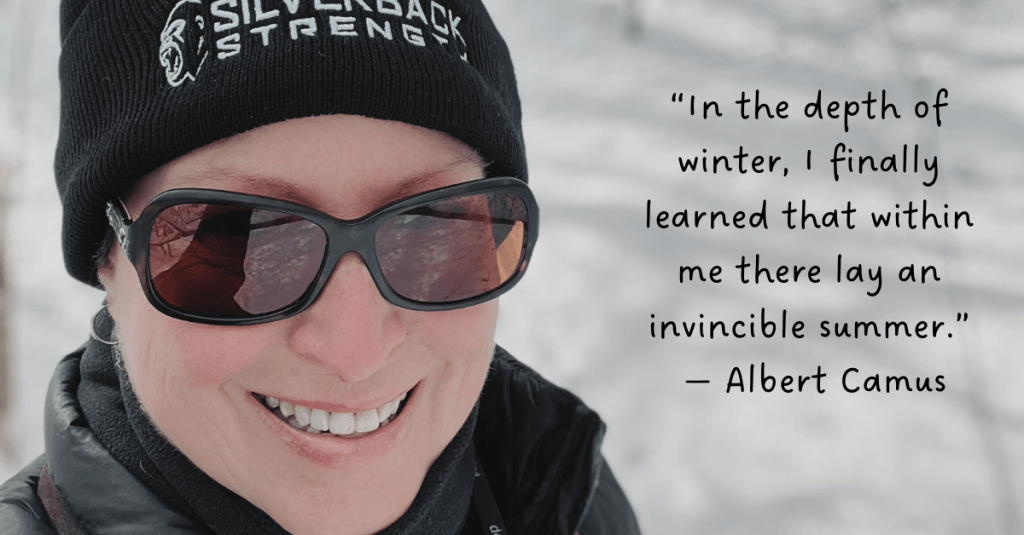
If you’re a New Englander (like me), you might be sitting here thinking, “Here we go again. More snow.” Sigh…
It can feel like a winter that just won’t let up. Relentless. Gray skies. Forced slowdowns. Frigid temps. Snow blowers humming. Driveways shoveled… again and again.
But it makes me wonder…
What could we be building during this unexpected pause?
Winter has a way of stripping things down. The noise quiets. The calendar softens. The pace shifts whether we like it or not. And in that space, something interesting happens.
We create.
Some of my friends are creating life in this season. Some are writing books. Some are launching new businesses. Some are stepping into the gym for the very first time. Others are heading back to the classroom.
Creation doesn’t always look like art. Sometimes it looks like courage.
For me, this season has been about going back to the basics… making my own butter, baking bread, learning how to be a little more self-reliant. There’s something grounding about understanding where your food comes from and realizing you can produce more than you consume. I’ve also been enjoying digging into some literary classics.
But it hasn’t just been about homemaking.
I’ve also been learning gun safety, completing my pistol permit course, and practicing self-defense. Not out of fear, but out of responsibility. Out of awareness. Out of a desire to feel capable and prepared.
Creation isn’t always soft.
Sometimes it’s strength. Sometimes it’s discipline. Sometimes it’s stepping into rooms that stretch you.
There is something deeply gratifying about creating.
Not consuming. Not scrolling. Not reacting.
Creating.
When you make something with your hands, like bread, butter, a stronger body, a safer home, a new business, you shift from passive to powerful. You move from “this is happening to me” to “I am building something anyway.”
And that changes everything.
Winter can feel restrictive. But what if it’s actually protective?
What if it’s giving you cover to build quietly?
We live in a culture that celebrates visible hustle. Loud launches. Public wins. Constant output. But some of the most important work happens off-camera, off-season, underground.
Seeds are planted in winter. Roots deepen in winter. Foundations are poured in winter.
So here’s my simple invitation — a 30-day Winter Creation Challenge.
❄️ Make one thing from scratch. ❄️ Move your body three times per week. ❄️ Read 10 pages a day. ❄️ Save or invest a small amount weekly. ❄️ Practice one skill that increases independence.
Keep a journal throughout the 30 days. At the end, look back and see what you built in what once felt like a stagnant season. I think you’ll surprise yourself.
Spring will come. I promise.
The question is…when it does, what will you have created?
If you want to ruin your business or personal brand, poor communication will do it faster than anything else. I was reminded of this twice in the last two weeks after dealing with two businesses that completely dropped the ball.
We talk so much about branding, marketing, messaging, social media strategy… but none of it matters if the actual experience people have with you doesn’t match the image you’re projecting.
Whether you run a business brand or your personal brand (yes, we all have a personal brand), your reputation is being shaped every single day, by how well (or how poorly) you communicate.
It doesn’t take much to damage trust:
A missed message
A last-minute cancellation
A lack of clarity
Not following through
Silence when someone is expecting a response
These may seem small, but they add up…and they can wreak havoc on your brand faster than any marketing strategy can fix it.
So let’s talk about how to protect the thing that runs your career, your relationships, and your opportunities: your reputation.
Below are 7 things NOT to do if you want a personal brand that leaves a long-lasting, positive impact.
7 Things NOT To Do If You Want a Strong Personal Brand
1. Don’t disappear or go silent.
Ghosting someone is the worst, nothing kills trust faster than a lack of communication. Even if you don’t have an answer yet, say so. Silence creates frustration, assumptions, and doubt, and it just doesn’t feel good.
2. Don’t overpromise and then underdeliver.
It’s better to be honest and realistic than overly ambitious and inconsistent. Your word matters. People remember reliability.
3. Don’t ignore boundaries (yours or theirs).
If you respond at all hours, accept every request, or say yes when you mean no…you’re setting up a pattern that eventually breaks down. Boundaries show self-respect and build respect from others.
4. Don’t be vague, unclear, or confusing.
Clear communication = clear expectations. Unclear communication leaves people guessing, and guessing rarely works in your favor.
5. Don’t delay resolving issues.
Avoiding a problem doesn’t make it go away, it makes it bigger. Address mistakes, misunderstandings, or complaints quickly and professionally.
6. Don’t forget the follow-up.
Following up shows professionalism, dependability, and care. People notice when you remember them. They also notice when you don’t.
7. Don’t treat people differently based on what you can gain.
Your brand is built on how you treat people when no one’s watching and when you think there’s nothing in it for you. Kindness and integrity always pay off…often in ways you don’t see immediately.
Food For Thought
A great personal brand isn’t built through perfection — it’s built through consistency.
Consistent communication
Consistent integrity
Consistent follow-through
Your reputation is working for you or against you every single day. Make it work for you by choosing to show up with clarity, honesty, and professionalism in every interaction.
Have you had a bad experience due to poor communication? How have you dealt with it? Drop a comment and share your tips.
I was creating content for my marketing business when I found myself diving into a topic that’s been on my mind for a while: ghosting. Not the dating kind, but the kind that happens in business and life, when someone simply disappears instead of responding, following up, or having the hard conversation.
It struck me that this is something we don’t talk about enough, especially as entrepreneurs, leaders, and professionals navigating fast-paced, emotionally charged spaces. So I thought I’d dive in here and open the door for thought and conversation.
The Real Problem with Ghosting
We live in a culture of instant gratification and constant notifications, but ghosting has become alarmingly normalized. However, what may feel like an “easy out” in the moment actually causes long-term harm.
When you ghost someone, whether it’s a potential client, business partner, vendor, or even a friend, you’re not just avoiding discomfort. You’re sending a message (whether you realize it or not) that their time, effort, or relationship wasn’t worth a response.
And trust me, that message sticks.
Why It Matters in Business
Business is personal. Relationships are the currency of any business, and the way we show up, or don’t, directly impacts our reputation and personal brand.
Whether you’re saying “yes,” “no,” or “not right now,” clarity is a form of respect. People remember how you communicate when things aren’t easy more than they remember the smooth moments.
Here’s what happens when we DON’T ghost:
We build trust, even when we say no.
We protect our reputation and brand integrity.
We make space for the right opportunities to flow in.
We model healthy boundaries without disappearing.
Why It Matters in Life
Ghosting doesn’t just show up in business. It can show up in friendships, family, and even the way we relate to ourselves. When we get overwhelmed or uncomfortable, it’s tempting to pull back instead of leaning in.
But here’s the truth: Discomfort is not a reason to disappear. It’s a sign to pause, reflect, and communicate with care.
The Bigger Picture: Boundaries ≠ Ghosting
Sometimes we confuse boundaries with avoidance. Setting a boundary might mean declining a project or stepping back from a relationship, but it still involves communication. Ghosting skips that step entirely and leaves people confused, hurt, or doubting their worth.
You don’t need to over-explain or over-justify. A simple response can be both kind and firm.
Try these:
“Thanks for thinking of me, but I’m not available for this opportunity.”
“I need to step away from this relationship, and I wish you well.”
“Right now isn’t the right time for me, but I appreciate your message.”
Let’s Normalize Showing Up
I believe communication is a core part of conscious living and working. We’re not here to ghost our way through the hard parts, but rather we’re here to build something better. That means responding. Being honest. Choosing clarity over comfort.
You don’t have to be perfect. Just present.
Have you ever been ghosted in business, or accidentally ghosted someone yourself? What did you learn from it?
Drop a comment or share this post with someone who values showing up. 💬
I was talking to a friend today — another serial overthinker whose name shall remain confidential (we’ll call her Nancy to protect her identity 😉).
Nancy and I were working on customer follow-ups when we both had an aha moment: shorter, more authentic communication is better for the customer and better for us. And yet… there we were, overthinking it to death. Sound familiar?
Let’s be real — overthinking is exhausting. You replay conversations, second-guess your ideas, delay decisions, and procrastinate on important stuff because… what if it’s not perfect? Cue the sigh. Overthinking feels productive, but it’s actually a master thief — stealing your clarity, confidence, and energy.
Worse? It feeds right into imposter syndrome. So really, what are we doing?!
It’s the fast track to paralysis analysis — too many options, too much pressure, and very little action.
But here’s the truth bomb: 👉 You don’t need more information. You need more self-trust. And trust doesn’t come from being perfect — it comes from taking messy, meaningful action.
So let’s break the cycle and talk about how to get out of your head and back into alignment.
Why We Overthink:
Fear of failure – We just want to get it right.
Imposter syndrome – We doubt we’re enough.
Perfectionism – We think every move must be flawless.
People pleasing – We’re afraid of disappointing others.
Spoiler alert: Overthinking doesn’t protect us — it just keeps us stuck.
🔥 The antidote? Think less. Trust more.
10 Pro Tips to Overcome Overthinking + Trust Yourself More
Name the Fear Get real with yourself: what are you actually afraid of? Naming it takes away its power. Write it down. Say it out loud. Shine a light on it. (Ugh, yes… totally me.)
Try the 5-5-5 Rule Ask: Will this matter in 5 days, 5 months, or 5 years? Spoiler: probably not. Let it go.
Set a 10-Minute Timer for Decisions Your gut usually knows. Give yourself a time limit, listen to your intuition, and go.
Shift from “What If” to “Even If” Swap “what if I fail?” for “even if I fail, I’ll learn and grow.” That’s where real confidence begins.
Take Imperfect Action Progress > perfection. Every time. People are surprisingly forgiving of imperfection when you’re being real.
Create a Daily “Get Unstuck” Ritual Walk. Meditate. Dance. Journal. Pray. Voice-record your spiraling thoughts and play them back — they’ll usually sound way less scary than they feel.
Surround Yourself with Action-Takers Energy is contagious. Hang with people who move forward, trust themselves, and make bold choices. You’ll soak it up.
Cut the Info Overload More content doesn’t equal more clarity. Unfollow, unsubscribe, and tune back in to your own voice.
Anchor into Your Values Ask: Is this aligned with who I am and what matters to me? If yes — go. If no — pause.
Celebrate the Tiny Wins Confidence is built one decision at a time. Track the small stuff. Reflect weekly on what went right, not just what went sideways.
🌟 Bonus Tip: Stop using ChatGPT for EVERYTHING. Your voice matters. People want your words, your stories, your quirky brilliance. Use tools to enhance, not replace, your authenticity.
Final Thought
You’re not here to be perfect. You’re here to be real, honest, and brave. Overthinking won’t get you there — but aligned, imperfect action will.
So the next time you’re spiraling, pause and ask:
“What would I do if I trusted myself completely?”
Then… do that.
No need to go all in right away — pick a couple of tips to try and ease into the anti-overthinking life. Baby steps, my friend. That’s the vibe I’m going with.
I’d love to hear how you’re breaking the overthinking habit. Drop a comment, and let’s elevate each other.
Yep, I’m diving in! But don’t worry—it’s all about conversation, not confrontation.
Let me start by asking—remember when no one knew (or cared) which political party you supported? I miss those days. But thanks to the internet and social media, those lines have been blurred forever.
Lately, I’ve noticed a shift on LinkedIn (a platform that I thought for sure would stay out of politics), and if you’ve been there long enough, you might have noticed it too. What was once a platform primarily for professional growth, networking, and industry insights has become increasingly political. Discussions that were once reserved for other social media platforms are now front and center, with political opinions, debates, and even outright arguments filling the feed.
This shift raises some big questions for me: 🔹 How does this impact job seekers who rely on LinkedIn to build their careers? 🔹 Are small business owners and entrepreneurs feeling more (or less) freedom to be authentic—or more pressure to take a stance? 🔹 Are companies making hiring or business decisions based on political beliefs?
This shift got me thinking: Is there a way to have these discussions without damaging personal and professional relationships? Because whether we like it or not, politics is everywhere—our workplaces, social circles, and even family gatherings. And while being informed and engaged is important, the growing polarization has also created deep divisions.
But does it have to be this way? Can we explore political differences without making everything a battleground? I believe we can. And that’s why I’m going all in on this conversation, because it’s as much for me as it is for you.
The Rise of Political Polarization
There’s no denying that political discourse has become more intense. Social media and search engines are designed to amplify opinions, often creating echo chambers where we’re only exposed to perspectives that reinforce our own. Meanwhile, news outlets tailor content to specific ideologies, making it easier than ever to stay within our comfort zones.
Here’s a thought-provoking challenge: Try searching for the same topic as a friend or colleague and compare your results. Chances are, you’ll see different information. That’s not a coincidence—it’s by design. If you’ve seen The Social Dilemma, you know how algorithms shape what we see, subtly influencing our beliefs and interactions. In many ways, we’re all being manipulated—whether we realize it or not.
Check out this short clip (it’s a fascinating documentary worth watching):
But here’s the reality: No two people will ever agree on everything. Expecting complete alignment—whether in politics, religion, or lifestyle choices—is unrealistic. Healthy relationships and societies are built on diverse perspectives and respectful debate, not total agreement.
And here’s another reality: Every time a new political administration takes power, those who didn’t vote for them will inevitably find fault with their decisions. It’s a predictable cycle—one side cheers, the other side critiques. Policies shift, priorities change, and no matter who’s in charge, opposition always finds something to criticize.
Oh, and one more thing—you can’t judge someone’s political beliefs by their appearance or lifestyle. Wearing a flag shirt, driving a certain car, or listening to country music doesn’t automatically place someone in a political box. We need to move past stereotypes and stop making assumptions about people.
We are complex human beings, shaped by diverse experiences and values. While we may lean one way or the other, few of us align 100% with any party. We hold nuanced opinions, disagree even with “our own side” at times, and make decisions based on more than just political labels. It’s a reminder that real conversations—not assumptions—are what truly help us understand one another.
Why Losing Relationships Over Politics Isn’t Worth It
At the end of the day, our relationships—whether personal or professional—are built on much more than political views. Shared experiences, mutual support, and personal history should matter more than a difference in voting decisions.
Ask yourself: ✅ Will today’s political debate matter in five years? ✅ Does winning an argument feel better than maintaining a meaningful relationship? ✅ Are you listening to understand, or just waiting to respond?
Of course, some differences are deeply personal, and certain beliefs may feel harder to reconcile. But in most cases, a disagreement doesn’t have to mean the end of a relationship—especially if both people approach the conversation with mutual respect.
How to Be More Tolerant of Different Views
Practice Active Listening – Instead of reacting immediately, take a moment to truly hear the other person’s perspective. Ask questions, seek understanding, and look for common ground.
Recognize That People’s Experiences Shape Their Views (this is HUGE)– Backgrounds, upbringings, and life experiences influence opinions. Understanding someone’s story can help bridge divides.
Agree to Disagree – Not every conversation needs a resolution. Sometimes, the best approach is to acknowledge the difference and move on.
Know When to Walk Away – If a discussion becomes heated or unproductive, it’s okay to change the subject or take a break. Protecting your peace is just as important as expressing your views.
Respect Boundaries – If someone prefers not to discuss politics, honor that. Forcing the conversation rarely leads to positive outcomes.
Lead with Kindness (this should actually be first on the list)– You don’t have to agree with someone to treat them with respect. Kindness and civility go a long way in keeping relationships intact.
Bringing It All Together
Politics may be more visible than ever—especially on platforms like LinkedIn—but it doesn’t have to define our relationships. We can choose to engage with openness, prioritize understanding over division, and remind ourselves that people are more than their political beliefs.
Disagreements are inevitable, but how we handle them is a choice. By focusing on respect, listening, and the bigger picture, we can create healthier conversations and, more importantly, stronger relationships—both online and offline.
💬 What do you think? Have you found ways to share political differences while maintaining important relationships? Let’s talk about it below!
In a world that rewards comfort and routine, disruptors are the ones rewriting the rules. They challenge outdated systems, innovate where others settle, and redefine success on their own terms. They don’t wait for change—they create it.
So, are you playing it safe, or are you ready to disrupt (a question I often ask myself)?
What It Means to Be a Disruptor
Being a disruptor doesn’t mean causing chaos for the sake of it. It means thinking differently, taking bold action, and refusing to accept limitations. Disruptors don’t ask for permission to succeed. They carve their own paths and, in doing so, inspire others to follow.
The Disruptor’s Playbook: 5 Ways to Shake Up the Status Quo
Want to break free (like me) from the norm and make an impact? Here’s how:
1. Challenge the Standard Thinking
Just because something has always been done a certain way doesn’t mean it’s the best way, and honestly, nothing annoys me more than to hear “but, we’ve always done it that way.” ALWAYS question the norm. Look at your industry, career, or personal life and ask, What could be better? What’s missing? Disruptors don’t accept “good enough”—they push for better.
2. Take Risks Others Won’t
Most people hesitate when faced with uncertainty. Disruptors see risk as opportunity. Whether it’s launching a new venture, pivoting careers, or speaking up about an issue, they lean into discomfort and bet on themselves.
3. Show Up Unapologetically
The world tries to fit people into neat little boxes. Disruptors break them. They build personal brands, businesses, and movements by being authentically themselves—even when it goes against the grain.
4. Surround Yourself with Bold Thinkers
Your circle influences your mindset. Want to think bigger? Connect with people who challenge and inspire you. Join communities of innovators, follow thought leaders, and engage in conversations that push your limits. A great way to start? Listen to disruptors in action.
🎙️ Podcasts for Disruptors:
The Counter Life Podcast – Conversations with entrepreneurs and small business owners making an impact and rewriting the rules in their industries. (shameless plug here)
The Ed Mylett Show– High-performance strategies from some of the most successful disruptors in business, sports, and entertainment.
Most people overthink, wait for the “right time,” and stay stuck in planning mode. STOP WAITING!Disruptors execute. They don’t wait for approval; they make moves and adjust along the way. The key to disruption isn’t just thinking differently—it’s acting on it.
The Game Changers: Famous Disruptors Who Redefined Success
Need proof that disruption leads to greatness? Look at these innovators who shattered expectations:
🔥 Elon Musk – Transformed the auto and space industries with Tesla and SpaceX, proving electric cars and private space travel weren’t just ideas—they were the future.
🔥 Oprah Winfrey – Broke barriers in media, redefining what was possible for women and people of color in television and beyond.
🔥 Steve Jobs – Changed how we interact with technology by making design, functionality, and innovation inseparable.
🔥 Sara Blakely – Turned $5,000 and a simple idea into Spanx, revolutionizing an industry that doubted her.
🔥 Brené Brown – Disrupted traditional leadership thinking by proving vulnerability is a strength, not a weakness.
Want to Think Like a Disruptor? Start Reading
📚 Books That Will Change How You See Success
Be the One– Justin Prince → A powerful book on mindset, leadership, and stepping into your full potential.
The 10X Rule – Grant Cardone → Why thinking bigger and taking massive action is the only way to dominate.
Dare to Lead– Brené Brown → Leadership through courage, authenticity, and vulnerability.
The Hard Thing About Hard Things – Ben Horowitz → The unfiltered truth about entrepreneurship and leadership in disruptive times.
Think and Grow Rich – Napoleon Hill → A timeless classic on success, wealth, and breaking limitations.
🎧 You’re going to want to carve out 15-minutes, and grab your airpods to listen to this wisdom. 🎧
One of the most iconic disruptors of our time, Steve Jobs, shared his perspective on innovation and resilience in his 2005 Stanford Commencement Address—a speech that has since gained over 45 million views on YouTube. In this heartfelt talk, Jobs recounts pivotal moments in his life, from dropping out of college to launching Apple, getting fired, and coming back stronger than ever. His advice—“Stay hungry, stay foolish”—is a call to action for anyone looking to challenge the status quo and make a real impact. Watch the speech below and ask yourself: How can you think differently?
Disrupt or Be Disrupted: It’s Your Move
The world doesn’t wait for people to step up—you have to choose to make an impact.
💡 What’s one way you can disrupt the norm in your life or business today? Drop a comment and let’s talk about it.
As a small business owner who knows a lot of entrepreneurs and fellow business owners, I’ve always admired the hustle it takes to build something from the ground up. But recently, I had a humbling realization—I never really thought about the people behind the scenes, doing the work that many wouldn’t even consider a business.
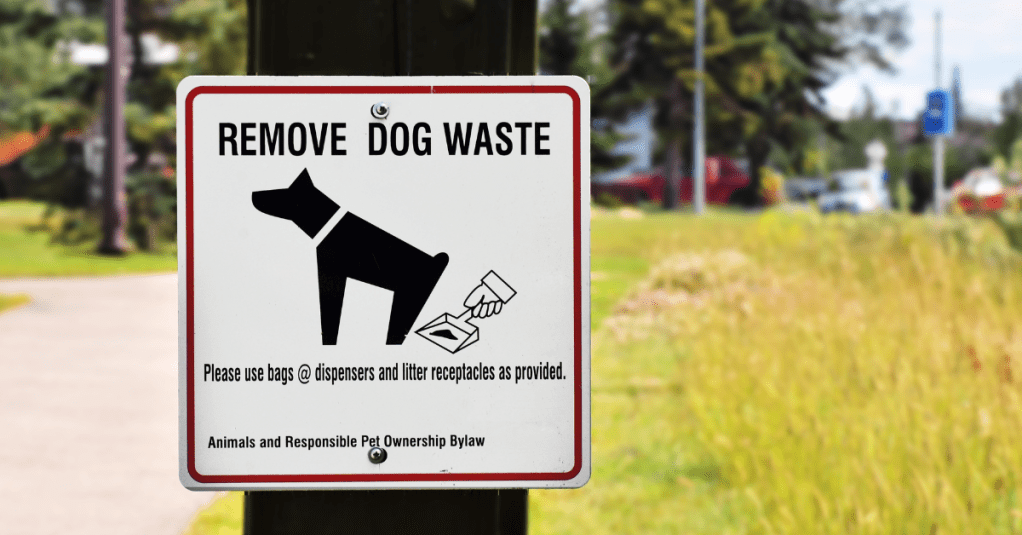
While recovering from ankle surgery, I needed help with a not-so-glamorous task—removing dog waste from my yard. Let’s be real: most people wouldn’t jump at the chance to do that job. But I found a guy who not only runs a dog waste removal business but also trims trees on the side. This is definitely not something I’ve thought about in the entrepreneurial realm, but “John” is absolutely an entrepreneur who is building a successful business with extreme pride, humility, and a great sense of humor! And guess what? He’s making serious money.
It got me thinking about how we often dismiss certain jobs as “beneath” us or unworthy of consideration. We assume that success only comes in sleek offices, high-profile careers, or trending side hustles. But the reality? Some of the most successful businesses are built on the jobs that many wouldn’t even consider.
Here’s a great quote from Mike Rowe, the host of Dirty Jobs, who has spent years highlighting hardworking entrepreneurs who built successful businesses from labor-intensive work:
“Happiness does not come from a job. It comes from knowing what you truly value and behaving in a way that’s consistent with those beliefs.”– Mike Rowe
Think about it—trash collection, cleaning services, mobile car detailing, power washing. These aren’t jobs people dream about as kids, but they are industries where entrepreneurs are thriving, building wealth, and creating legacies.
The moral of the story? Don’t be too quick to turn our nose up at an opportunity. The thing we think is “too small” or “not worth it” might just be someone else’s path to financial freedom. The key isn’t what we do—it’s how well we do it, how we scale it, and how we serve a need.
So before dismissing a side hustle as “not good enough,” remember: someone out there is making a killing doing it. And they’re laughing all the way to the bank.
Do you have an idea of something you’d like to turn into a side hustle? Let’s talk about it in the comments!
Have you ever been the target of a narcissist? If so, you know the mental gymnastics, the manipulation, and the relentless toxicity that come with it. If you haven’t—consider yourself lucky.
It wasn’t until later in my adult life and career that a narcissist quietly infiltrated my world. My narcissist disguised themselves as good, pure, loving, and honorable—a true chameleon. At first, it was all rainbows and butterflies—until, suddenly, I had no idea what hit me.
My fight-or-flight instinct kicked in, but instead of running, I looked around at others, who seemed fine, and thought, “It must be me.” (Ugh…a home run for the narcissist.)
The ironic part? The moment I started confiding in friends and family, they immediately said, “You’re dealing with a narcissist.” It wasn’t one big, obvious event—it was a slow, calculated unraveling. A series of tiny, almost imperceptible manipulations that built the foundation for something far more damaging.
Fortunately for me, our relationship ended abruptly. At first, I was in shock. But with time—and a lot of self-reflection—I finally felt something I hadn’t in a long time: I could breathe again.Really breathe.
I was recently talking to a friend about the crushing grip narcissists have on their victims and the slow surrender we unknowingly give them. It’s a psychological game—one designed to strip away your confidence and leave you questioning your reality. And escaping? That’s another battle entirely for so many.
Breaking free from a narcissist feels like emerging from a cult-like trance—your identity shaken to its core. Thank goodness for the self-help section on Amazon, podcasts, and therapy, right?!
The Narcissist’s Playbook: A Masterclass in Manipulation
At first, they charm you (This is known as the honeymoon phase.). They praise your work, admire your talents, and build you up—only to slowly chip away at your confidence. The gaslighting is subtle at first:
🌀 “I never said that.” (They did.) 🌀 “I’m sorry you feel that way.” (Zero accountability.) 🌀 “I’ve done so much for you, and it’s not appreciated.” (Lies.)
Before you know it, you’re walking on eggshells, second-guessing yourself, and questioning truths you once knew. That’s the toxicity of a narcissist—they LITERALLY rewrite reality to serve their ego.
The Fallout: Breaking Free from the Cycle
Realizing you’re in a narcissist’s grip feels like waking up from a nightmare you didn’t know you were trapped in. You start seeing the patterns, the control, the meanness, the manipulation—but getting out? That’s where the real fight begins, especially for those married to one (for the sake of my husband, I want to clarify that I’m not referring to him here).
Narcissists don’t let go easily. They crave control. They twist narratives, spread lies, and play the victim to maintain their power. And when you finally break free? They’ll do everything in their power to paint you as the villain.
The Lesson: Reclaiming Your Power
Here’s the good news—you learn. You recognize the red flags sooner. You set boundaries quicker and stronger. And most importantly, you take back your power!
If you’ve been through this, you’re not alone. The scars narcissists leave behind are real, but they’re also proof that you survived.
Want to Outsmart a Narcissist? Listen to This.
Mel Robbins has hosted remarkable guests who break down the psychology of narcissists—and, more importantly, how to break free from their grip. If you haven’t listened to “Outsmart a Narcissist: A Proven 4-Step Plan to Take Your Power Back,“ it’s a must, so grab your 🎧 headphones and listen with intention and purpose.
I listened to it on a hike—the place I go to find clarity. I’d love to know what you think after you listen to the full episode.
Have you ever dealt with a narcissist? Drop a comment or share your experience—because the more we talk about it, the more we reclaim our power, and the more we help others.
Make moves, live boldly!
2 responses to “Surviving a Narcissist: The Toxicity, The Chaos, and The Lessons”
Anonymous
You nailed it! Thanks for sharing and reminding us to assess all relationships. Life’s too short to spend time with the wrong people.
Thank you so much for reading my post, and I’m glad it resonated with you. For people who haven’t experienced this behavior it can take some time to realize what is happening in the relationship.
For most of my career, I played a role behind the scenes—and I loved it. I still do. Writing and creating content have always been my passion. I naturally fell into positions where I ghostwrote and crafted content in others’ voices. And I was good at it.
But something shifted in 2023.
I started feeling restless. I was tired of pouring my creativity into work where others reaped the rewards. Now, don’t get me wrong—I don’t say that out of greed or selfishness. I’ve always found joy in helping others shine.
But then came the epiphany.
I realized it was time to step out from behind the curtain and take a peek at what else was out there. And you know what? I actually have something to say. I have insights to offer. I have a 40+ year career filled with experiences, lessons, and stories worth sharing. But I needed to believe that. I needed to build the confidence to recognize my own value.
This past year has been one of discovery—of myself, my voice, and my impact. And as is typical for me, once I commit, I jump all in—often without warning to anyone around me. That’s how I’ve approached every major decision in my life.
But let me be honest…
I’ve also mastered the art of procrastination. Maybe you can relate. Sometimes, it’s fear—fear of failure, fear of judgment, fear of the unknown. Sometimes, the vision isn’t fully clear yet. And sometimes, it just feels too damn hard. But here’s the thing: once it all clicks in my mind, I jump.
Why Do We Keep Putting Off Our Dreams?
I don’t know about you, but I’ve asked myself this question more times than I can count.
At the end of the day, we only have so much time—to create impact, to inspire others, to build a legacy. So why do we keep postponing the things that truly fulfill us?
It’s the million-dollar question.
And the answer? Just start.
Benjamin Franklin nailed it when he said…
“You may delay, but time will not.”
So if you’ve been waiting for the perfect time to start, stop waiting. Below are four powerful strategies that have helped me push past procrastination and finally move forward.
1. Start Small and Break It Down
Big ideas can feel overwhelming, which is why they often stay stuck in the “someday” category. Instead of focusing on the entire journey, break your goal into small, manageable steps. Progress—no matter how small—builds momentum.
2. Set Real Deadlines (and Hold Yourself Accountable)
A dream without a deadline is just a wish. I haven’t always been great at this, but over the past year, I’ve gotten better. Set a firm timeline for your goals and, even better, make them public. Accountability is a powerful motivator.
3. Remove Distractions and Just Start
Procrastination feeds on distractions. Identify what’s pulling your focus away—social media, endless to-do lists, or fear of failure—and eliminate it. Then, commit to just five minutes of action. Often, starting is the hardest part, but once you do, you’ll keep going.
4. Stop Waiting for Perfection
Here’s the truth bomb: No one is expecting perfection from you. The only person demanding perfection is you. So let it go and just do the damn thing!
If you’ve been feeling that nudge, that stir, that inner voice telling you it’s time—jump.
Because at the end of the day, what do you really have to lose?
It’s Your Turn
So here’s my challenge to you—what’s the one thing you’ve been putting off? The book you want to write, the business you want to start, the career shift you’ve been dreaming about? Whatever it is, take one small step today. Because time isn’t waiting for you. And neither should you.
Such an inspiring read! Travel stories like this truly motivate us to explore more of the world.
Thanks for sharing your journey with us all can’t wait to the future posts.
can’t wait to read all about it!
Thank you so much for reading my blog, and I’m so glad that you found the tips helpful.
Thank you for these reminders, your message is so on point, love all the tips!
Building Wellness and Connection, One Story at a Time
Hi, I’m so glad you’re here.
For a while now, I’ve been craving a space beyond the scroll of social media and the pace of work… a place to share stories that are both meaningful to me and valuable to others. In a world that often feels overwhelming, I believe we all need more connection, encouragement, and a little lightness.
Beyond the Hustle is where ambition meets alignment. It’s about creating a life that feels as good as it looks—one rooted in wellness, growth, and authenticity. It’s for those of us who believe in showing up fully, but also slowing down enough to enjoy the view.
A little about me: I’m a wife and mom of three, a dog lover (hi, Stella and Stanley!), an entrepreneur running a digital marketing agency, a new podcaster, and a passionate wellness advocate. I’m also an avid hiker, trail runner, and fitness enthusiast who believes wellness is a lifestyle—not a look.
After years in the corporate world—working in marketing across nonprofit, human resources, and speaker management—I took the leap into entrepreneurship. I loved those chapters, but after navigating corporate shakeups and the unpredictability of the pandemic, I realized I wanted to write my own story. Now, I help entrepreneurs and small business owners build their brands with purpose, and I’m honored to grow right alongside them.
This blog is part passion project, part wellness journal, part real-life reminder that we can thrive—beyond the hustle.
What You’ll Find Here
Beyond the Hustle is your go-to hub for: ✨ Entrepreneurship & Business – Lessons from my journey and insights. ✨ Wellness & Mindset – Real talk about balance, self-care, and empowering women. ✨ Lifestyle & Personal Growth – Navigating family, passions, amazing eats, and everyday life with intention. ✨ Community & Connection – A place for real conversations, shared experiences, and mutual encouragement.
Whether you’re a fellow entrepreneur, a wellness seeker, a woman seeking community, or simply someone looking for inspiration beyond the daily grind, you’re in the right place.
Let’s Stay Connected
I’d love to hear your thoughts, experiences, stories, and ideas for topics. Drop a comment, follow me on Instagram and Facebook, and let’s navigate this journey together.
Thanks for being here—now let’s go beyond the hustle!!










 Beyond the Hustle
Leave a comment