Can you believe the first half of the year is almost behind us?
It feels like we were just setting intentions in January, mapping out goals, getting organized, and telling ourselves, “This is my year.” And now here we are… staring down the second half of 2025.
Maybe life threw you a curveball. Maybe your priorities shifted. Maybe you just lost momentum (we’ve all been there). That doesn’t mean your goals aren’t still worth pursuing, it just means now’s the time to lock back in.
The second half of the year gives you:
26 weeks of possibility
182 days to make progress
Countless chances to show up differently
It’s not about doing more, it’s about doing what matters. With intention. With clarity. With energy that supports where you want to go, not just where you’ve been.
Don’t let yesterday take up too much of today, even more importantly, tomorrow!~Me
Questions to Ask Yourself Right Now
If you’re not sure where to begin, start here. Carve out 10 minutes and journal these out:
What did I want to create or change this year?
What progress have I made (even the small wins)?
What’s gotten in my way?
What needs to shift in the next 6 months?
What do I want to feel proud of by the end of the year?
The goal isn’t perfection, it’s alignment. It’s choosing to return to your why, even if the how looks different now.
Let’s Finish Strong—Together (I’m ready!)
I’ll be sharing more ideas in the coming weeks to help you refocus, reset, and finish the year strong, whether it’s through wellness routines, mindset practices, business clarity, or just showing up for yourself in a more meaningful way.
But for today, here’s what I want you to know: You don’t have to wait for “perfect timing.” You just have to choose to show up now. One step. One shift. One day at a time.
We’re in this together, and there’s still so much room to rise. Below is a list of tools to help you kick some real ass the second half of the year.
🧠 Mindset & Clarity
The Five Minute Journal – Simple daily gratitude and goal-setting
Insight Timer or Calm App – Guided meditations and breathwork
High Performance Habits by Brendon Burchard – A great read or audiobook for momentum
📅 Planning & Productivity
Google Calendar – For blocking focused work, workouts, or rest
Asana – Visual task management (great for business + personal projects)
💪 Wellness & Energy
AllTrails App – For finding trails and staying active outdoors (I can’t live without this one!)
Make Wellness Peptides – (of course!) to support energy, focus, hydration & recovery
MyFitnessPal – For tracking nutrition and movement goals
📈 Business & Branding
Canva – Create stunning graphics, social posts, and promo content easily
Flodesk – Simple, beautiful email marketing (great for small business owners)
🧾 Reflection & Reset
Quarterly Goal Review Template (create your own or download a freebie)
Whiteboard or Sticky Notes Wall – Sometimes old-school visuals help new ideas flow (this is totally me!)
Spotify “Focus” or “Confidence Boost” Playlists – Because music changes everything
Let’s lock in and finish this year with purpose and intention.
Alright, guys… this might be your cue to exit stage left — no hard feelings. 😉
Now, for the rest of us…. Let’s talk about something few of us are or were truly prepared for — menopause. It often arrives unannounced and unapologetic, like a full-force shift you never saw coming. It’s physical, emotional, hormonal — and honestly? A little disorienting.
But here’s the reframe: This isn’t just a phase to “get through.” It’s a powerful opportunity to reconnect with our bodies, shift our mindset, and redefine how we show up for ourselves — stronger, more aware, and in control.
The Phases: What You Didn’t Learn in Health Class (at least not in my health class)
Menopause isn’t just one moment — it’s a transition that unfolds in stages:
Perimenopause (often begins in your 40s): Irregular periods, hot flashes, mood shifts, and sleep disturbances.
Menopause (official when you’ve gone 12 months without a period): A hormonal shift that can affect everything from metabolism to brain fog.
Postmenopause (after the 12-month mark): Symptoms may ease, but risks like bone density loss and heart health become more relevant.
The truth? Every body experiences this differently. But you’re not alone — and you don’t have to just “deal with it.” AND, if your doctor tells you to deal with it, run, don’t walk and find a new OBGYN.
How to Stay Strong (Even When You Don’t Feel Like It)
Menopause can feel like your body is working against you. Fatigue, weight gain, muscle loss — all real. But here’s the empowering truth: you can take back control with doable, consistent habits that support your strength and vitality.
✨Strength Training Is Non-Negotiable
As estrogen levels drop, muscle mass and bone density decline — making resistance training essential. Lifting weights 2–4 times per week helps:
Boost metabolism
Support joint and bone health
Improve mood and cognitive function
You don’t need a fancy gym. Dumbbells, resistance bands, or even bodyweight circuits can build major strength.
Walking remains one of the most accessible forms of movement — but adding a weighted vest ups the ante:
Increases calorie burn
Builds bone strength
Improves cardiovascular endurance It’s also gentle on the joints and a great way to clear your mind.
✨Connect with Other Women in This Season
Menopause isn’t just physical — it’s deeply emotional. Community is medicine. Surrounding yourself with women who get it can:
Reduce feelings of isolation
Offer tips, resources, and honest conversation
Remind you that you’re not in this alone
Find a circle, group, or even a walking buddy. It matters.
✨The Power of Bioactive Peptides
If you’re looking to support your body from the inside out, bioactive peptides can be a game-changer. They help:
Improve collagen production (goodbye joint aches + skin dullness)
Weight management the natural way
Support lean muscle growth and recovery
Regulate inflammation and boost energy
Decrease mortality rates of all diseases
Think of peptides as your secret weapon for navigating this hormonal shift with more ease and vitality. (Head to the Wellness page to learn more about the power of peptides.)
Final Thoughts: This Isn’t the End — It’s a Reset
Menopause isn’t something to dread. It’s a powerful rite of passage — a chance to reimagine how you take care of your body, prioritize yourself, and define your next chapter.
Strong. Powerful. Clear. Connected. That’s the goal.
And remember: you’re allowed to rewrite the rules on what this season looks like — and feels like.
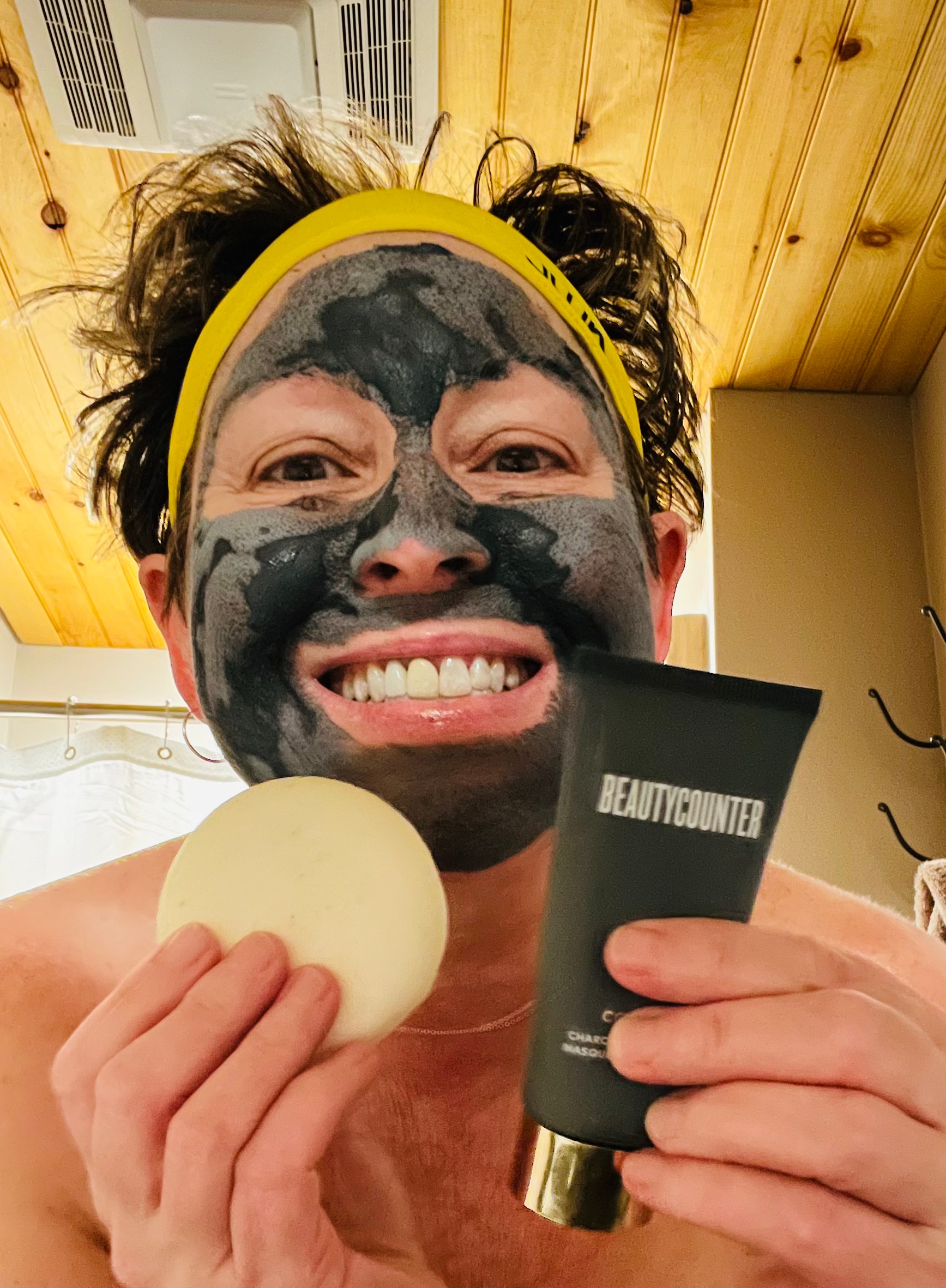
January 1st started like any other day. I was out on the trails — doing what I love — feeling strong, hopeful, and excited about everything I had planned for the new year. I was having fun, taking selfies, showing off some of my favorite skincare, soaking in the fresh start that January always seems to bring. In that moment, life felt solid. Safe. Predictable.
And then, less than 24 hours later, everything changed.
One misstep. One fall. One accident that I never saw coming.
The day after that first picture was taken, I found myself hurt, scared, facing a serious surgery, and unsure of what the next few months — or even the next few days — would look like. Everything I thought I could count on — my routines, my independence, my physical strength — was stripped away in a second.
And when I look back now at the photos side by side, it almost doesn’t feel real. How can life shift so dramatically between one sunrise and the next?
It’s a gut punch reminder that nothing is promised. Not our health. Not our plans. Not even our ability to lace up our shoes and walk out the door.
If you knew your life could change tomorrow, how would you live today? Would you rush through it? Would you waste it on things that don’t matter or people who aren’t worthy of your time or mind space? Would you stay quiet about the dreams that are burning inside you, waiting for the “right” time?
Or would you wake up?
Would you say the thing you’ve been meaning to say? Would you finally take the risk? Would you stop waiting for the “perfect moment” to start living fully? Would you finally start focusing on your health and wellbeing?
I wish I could go back and tell the version of me on January 1st: Savor it. Really, truly savor it. Laugh harder. Hug tighter. Trust your strength, but also respect how fragile this life is.
But since I can’t go back, I can only move forward — differently. Wiser. Softer. More awake to the small, beautiful details of every day.
The truth is, life will change. We just don’t get to choose when.
But we do get to choose how we live right now.
And today, I’m choosing gratitude. I’m choosing courage. I’m choosing to live like it could all change tomorrow — because it can.
If you’ve been waiting for a sign to do the thing — this is it. Book the trip. Start the business. Write the book. Lift weights like your life depends on it — because it does. Get outside. Soak in the sun. Chase the moments that make you feel alive. Whatever it is that’s been tugging at your heart, now is the time.
We can’t control what tomorrow brings. But we can choose to live fully today.
I was chatting with a friend and mentioned I was having a tough day. After listening, she encouraged me to write about it. So, her push for me to be open and honest led to this post—a raw reflection of my frustration and reality.
I never imagined a shattered ankle would be my wake-up call, but life has a way of delivering unexpected lessons. One moment, I was moving effortlessly through my days; the next, I was sidelined, kicked out of my active lifestyle—grappling with anxiety, depression, relying on others for the smallest of tasks, and adjusting to life with a walker, knee scooter, and boot. Suddenly, I was forced to see the world through a completely different lens, confronting the daily frustrations of a society that isn’t designed for those with mobility challenges.
Imagine going from living independently to carefully strategizing how to get in and out of your own home. Let me tell ya, it sucks! Simple movements become calculated efforts, and every outing feels like an obstacle course. It’s a humbling shift that opened my eyes to struggles so many people face—struggles often invisible in a world built for speed and convenience.
From the moment I left the hospital, one truth became painfully clear: our society prioritizes efficiency and accessibility, but only for the able-bodied.
The simplest tasks—getting through a doorway, maneuvering through a store, getting in and out of cars, climbing stairs, cooking, or even navigating sidewalks—become daunting obstacles. True resilience isn’t just about physical strength; it’s about adapting, problem-solving, and pushing forward in a world that often isn’t built for everyone.
The Everyday Struggles We Don’t See
Before my injury, I never noticed how difficult it was to find a ramp that wasn’t blocked or how hard it was to navigate a crowded space without feeling like an inconvenience. Now, I have no choice but to experience it firsthand. Doors without automatic openers, uneven sidewalks, narrow aisles, inaccessible bathrooms—barriers I had overlooked were now glaringly obvious.
I find myself exhausted, not just from the physical strain of getting around, but from the constant mental calculations required to do basic things. And if I, someone with a temporary injury, feel this way, what about those who face these challenges every single day?
The Fight to Live Fully
The real flex…despite these obstacles, people with disabilities courageously push forward, building careers, chasing dreams, and making an impact—all while navigating a world that often forgets them. Their perseverance isn’t just inspiring; it’s a testament to the human spirit.
But should it be this hard? Should people have to fight this much just to live a fulfilling life? Absolutely NOT!
Slowing Down and Showing Up
This experience has made me more aware, compassionate, and determined to do better moving forward. Accessibility isn’t just about ramps and wider doorways—it’s about mindset. It’s about slowing down long enough to notice who is being left behind and taking action.
So, let’s pause. Let’s take an extra few seconds to hold a door, clear a path, offer assistance, or simply acknowledge that not everyone can keep up with the chaotic pace of the world.
Because if life is moving too fast for us to extend a hand, maybe it’s time to rethink the way we’re moving altogether.
True progress isn’t just about innovation, but inclusion. The burden of accessibility shouldn’t fall solely on those who struggle—it should be a shared responsibility. If we all take small steps toward awareness and action, we can create a world where no one feels like an afterthought.
I found this great article: 15 Ways to Show Kindness to People with Disabilities—it offers small but meaningful ways to make a difference. Because the goal isn’t just to help people get by; it’s to empower them to excel.
As I close, the question I will ask myself as I slowly begin to get my legs under me again: How can I be a better human and help those individuals not just get by, but truly thrive?
I’d love to hear your thoughts. Drop a comment, and let’s talk!👇🏼
Everyone trains to avoid injuries, but few train to overcome them.
Injuries happen when we least expect them (I was literally standing still)! I never truly understood the depth of injury recovery until now! One moment, I was in my routine—running, lifting, moving the way I always had—and the next, I was forced to slow down, navigating pain, setbacks, and frustration. What I didn’t expect was how much effort, patience, and consistency it would take to heal, both physically and mentally.
Another eye-opening realization is how poorly our society accommodates those who rely on wheelchairs, walkers, and other mobility aids. In the spirit of kindness, let’s take a moment to slow down, be more aware, and offer a helping hand when we can. Life isn’t moving so fast that we can’t make it a little easier for someone else. #humankindness
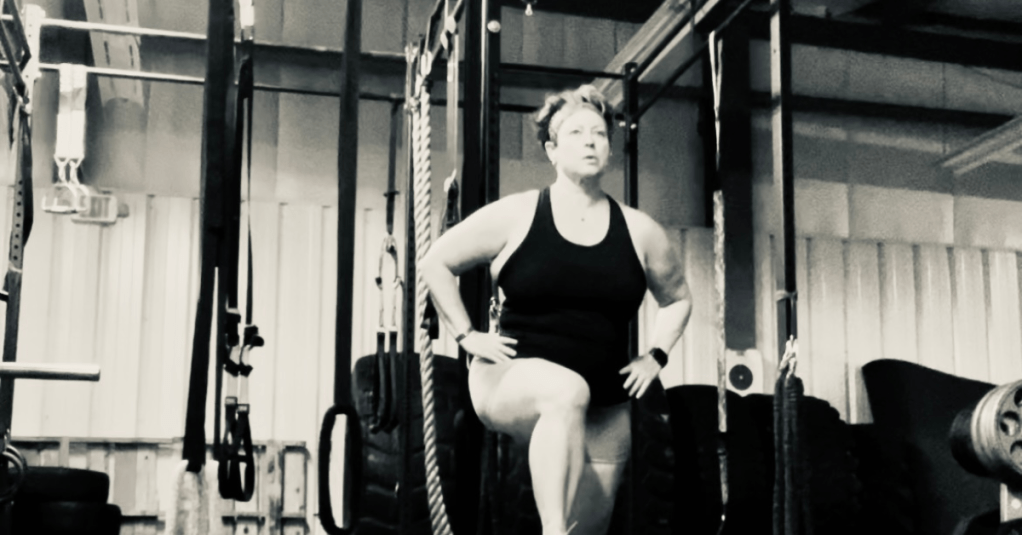
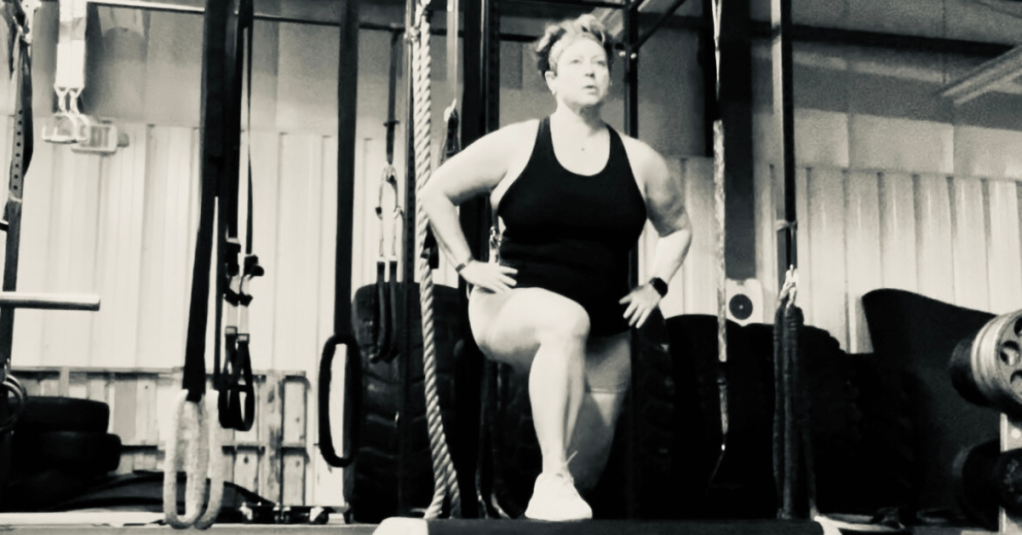
What I’m learning through this experience is something I wish more people knew: strength training isn’t just about aesthetics or athletic performance—it’s about building a body that supports you for the sport of LIFE.
What No One Tells You About Injury Recovery
🔸 Healing Isn’t Linear
Some days, it feels like I’m making real progress, and then suddenly, I’ll wake up feeling stiff, sore, and completely discouraged. Recovery isn’t a straight path—it’s full of ups, downs, and unexpected roadblocks. I have had to learn to listen to my body and trust the process.
🔸 The Mental Toll is Just as Hard as the Physical
I expected the physical pain, but I wasn’t ready for the mental toll an injury would take. Losing my independence—whether it’s training at the gym, driving, hiking with my dogs, or even doing everyday tasks like cleaning—has made me question everything. My patience, my progress, and even my identity as someone who thrives on movement. Staying motivated has been a challenge, especially while watching my friends live their full lives. I’ve had to work just as much on my mindset as I have on my recovery plan.
🔸 Strength Training is the Key to Resilience
I always knew strength training was important, but I didn’t realize just how much it mattered before and after injury. What I did in the gym before my injury is making my recovery easier, and what I do now will determine how strong and injury-resistant I am in the future.
Strength training isn’t just about lifting heavy weights—it’s about: ✔️ Protecting joints and reducing the risk of re-injury ✔️ Building balance and coordination for everyday movement ✔️ Regaining mobility and functional strength after setbacks ✔️ Creating a strong foundation for long-term health
Muscle is the organ of longevity. The stronger and healthier your muscles are, the better your chances of living a longer, healthier life.~Dr. Gabrielle Lyon
How I’m Rebuilding My Strength—And What You Can Do Too
If you’re recovering from an injury or just want to bulletproof your body, here’s what working for me:
1️⃣ Working With a Professional – A physical therapist, trainer, or strength coach can help ensure you’re moving properly and safely. Having a plan is making all the difference in my recovery.
2️⃣ Focusing on Stability First – I’m to starting with the basics: core stability, joint mobility, and small controlled movements before jumping back into full workouts.
3️⃣ Prioritizing Mobility and Flexibility – Daily stretching, mobility drills, and deep breathing is helping me regain movement while expanding my lungs, without putting too much strain on my body.
4️⃣ Easing Back Into Strength Training – I’m starting light, focusing on proper form, and will gradually work my way back to heavier lifts. Compound movements like squats, lunges, dips, and deadlifts (when done correctly) are literally quality of life movements.
5️⃣ Training For the Long Game – I’ve learned that consistency beats intensity every time. Recovery isn’t about how quickly I can get back to my old routine—it’s about coming back stronger, smarter, and more resilient. You can bet your bottom dollar (I know, mommism here) I will be fully committed to my training for the rest of my life.
My Go-To Essentials for Recovery & Wellbeing
Injury recovery goes beyond just rehab exercises. Supporting my body from the inside out has been a game-changer. Here are a few of my favorites that I can’t live without (links included):
✨ Peptides from Make Wellness– These bioactive precision peptides have helped me recover faster, improve muscle repair, calm my mind, and optimize my overall health. They are clean, safe, affordable and effective, and I swear by them! Especially Fit and Calm! Both play critical roles in my mind and body’s well-being! (psst…now through 2/28 you can get $15 off your first order with the code Share15)
🧖♀️ Kate McLeod Body Stone – Hydration is key, and this solid body moisturizer is packed with nourishing ingredients that help(ed) my skin and muscles feel amazing.
🌿 A Consistent Skincare Routine – Stress and inflammation can take a toll on my skin, so I made sure to keep up with a solid skincare regimen.
💦 Hydration – Water is essential for cellular function and regeneration. When injured, our body needs extra fluids to transport nutrients, oxygen, and immune cells to the affected area. Proper hydration helps speed up tissue repair and reduce recovery time.
Hydrated by Make Wellness was (and will always be) my go-to for hydration.
🍵 Bare BonesBone Broth – This has been a staple in my recovery—rich in collagen, amino acids, and minerals that support joint health, gut healing, and overall recovery.
Final Thoughts
An injury can feel like a major setback, but I’ve been choosing to see it as an opportunity—to rebuild, to focus on passion projects (like this blog), to come back stronger, and to truly understand my body.
I don’t just want to recover—I want to be stronger and more resilient than before.
This experience has reinforced something I’ve always believed: 💪 Strength training isn’t about aesthetics or performance alone. 💪 It’s about being strong enough to handle whatever life throws at you—injury, aging, setbacks, or the demands of daily movement. 💪 It’s an investment in longevity, resilience, and overall health.
If you’re dealing with an injury—or want to future-proof your body—start prioritizing strength training today. Your future self will thank you!
Need help figuring out where to start? I know some incredible health and fitness pros and would be happy to recommend someone based on your goals. Just reach out!
(Disclaimer: I’m not a medical professional, trainer, or coach. This information is based on my personal experience.)
You know what I mean—the endless cycle of wanting, buying, and replacing before we’ve even used what we already have. Our culture measures success by how much we own, not by how wellthose things serve us. And before we even finish that “must-have” product, we’re already scrolling for the next big thing.
I personally believe social media fuels this obsession. The “hot” skincare product that promises miracles, the magic weight-loss pill, the jeans that flatter every body type—it’s all marketed as essential, and clearly, we can’t live without it.
Just the other day, I was scrolling and couldn’t help but notice how many ads flooded my feed. IYKYK. Not only is it annoying, but it’s also frustrating—because I barely see my friends’ posts unless I go searching for them. This wasn’t the original purpose of social media, was it?
The Shift Toward Intentional Consumption
In a world that constantly pushes us to do more, buy more, and consume more, choosing quality over quantity is an act of intentional living. Whether it’s the clothes we wear, the books we read, or the content we consume, being mindful about what we allow into our lives leads to more fulfillment, less clutter, and greater purpose.
Check out this great article from Live The Minimalist Lifestyle that breaks down how prioritizing quality over quantity can lead to more meaningful experiences, stronger relationships, and a healthier mindset. Sooo good!
I’ll be the first to admit: I’m working on this.
Take my body wash, for example. I’ve been guilty of buying a new one when the current bottle is still a third full—just to try something different. Not my proudest moment. As a nature lover, I care deeply about preserving the trails I travel, which means being aware of my carbon footprint. But let’s be real—buying “clean” products or sustainable brands doesn’t mean much if we’re still being wasteful.
So, no—I’m not sitting here on my high horse (or in my case, my couch with a broken ankle) judging everyone else. I’m writing this as much for me as I am for you. So, here we go!
3 Ways to Be More Conscientious About Quality Over Quantity
🌱 1. Press Pause Before You Purchase (eek! this is a tough one) Before you buy something, ask yourself:
Do I actually need this?
Is it well-made and built to last?
Am I buying out of habit, boredom, or pressure?
Try the 30-day rule (or even 15): If you still want it in a month, it’s likely a thoughtful purchase rather than an impulse buy.
🌱 2. Curate What You Consume Not just products—but content, too.
Follow accounts that add value, not just sell you something.
Choose books that challenge you instead of ones you’ll forget in a week.
Limit digital noise—unsubscribe, unfollow, delete what doesn’t serve you. (This one is HUGE!)
🌱 3. Embrace the Joy of Using What You Already Have There’s something incredibly satisfying about finishing a product before replacing it.
Rotate through your wardrobe instead of buying another trendy outfit.
Read the books on your shelf before adding new ones to your cart.
Find joy in appreciating what you own instead of chasing the next new thing.
The Power of Less, But Better
Choosing quality over quantity isn’t about deprivation—it’s about intention.
It’s about owning less but loving it more, consuming media that actually inspires you, and making purchases that truly add value. By shifting our mindset, we create space for more clarity, more purpose, and less clutter—physically and mentally.
So, what’s one area of your life where you’re trying to choose quality over quantity, and purchase with purpose? Let’s talk in the comments. ⬇️





Leave a Reply