Category: Entrepreneur

  • Two Weeks, Two Bad Experiences: What They Taught Me About Reputation

    If you want to ruin your business or personal brand, poor communication will do it faster than anything else. I was reminded of this twice in the last two weeks after dealing with two businesses that completely dropped the ball.

    We talk so much about branding, marketing, messaging, social media strategy… but none of it matters if the actual experience people have with you doesn’t match the image you’re projecting.

    Whether you run a business brand or your personal brand (yes, we all have a personal brand), your reputation is being shaped every single day, by how well (or how poorly) you communicate.

    It doesn’t take much to damage trust:

    • A missed message
    • A last-minute cancellation
    • A lack of clarity
    • Not following through
    • Silence when someone is expecting a response

    These may seem small, but they add up…and they can wreak havoc on your brand faster than any marketing strategy can fix it.

    So let’s talk about how to protect the thing that runs your career, your relationships, and your opportunities: your reputation.

    Below are 7 things NOT to do if you want a personal brand that leaves a long-lasting, positive impact.


    7 Things NOT To Do If You Want a Strong Personal Brand

    1. Don’t disappear or go silent.

    Ghosting someone is the worst, nothing kills trust faster than a lack of communication. Even if you don’t have an answer yet, say so. Silence creates frustration, assumptions, and doubt, and it just doesn’t feel good.

    2. Don’t overpromise and then underdeliver.

    It’s better to be honest and realistic than overly ambitious and inconsistent. Your word matters. People remember reliability.

    3. Don’t ignore boundaries (yours or theirs).

    If you respond at all hours, accept every request, or say yes when you mean no…you’re setting up a pattern that eventually breaks down.
    Boundaries show self-respect and build respect from others.

    4. Don’t be vague, unclear, or confusing.

    Clear communication = clear expectations. Unclear communication leaves people guessing, and guessing rarely works in your favor.

    5. Don’t delay resolving issues.

    Avoiding a problem doesn’t make it go away, it makes it bigger.
    Address mistakes, misunderstandings, or complaints quickly and professionally.

    6. Don’t forget the follow-up.

    Following up shows professionalism, dependability, and care.
    People notice when you remember them. They also notice when you don’t.

    7. Don’t treat people differently based on what you can gain.

    Your brand is built on how you treat people when no one’s watching and when you think there’s nothing in it for you. Kindness and integrity always pay off…often in ways you don’t see immediately.


    Food For Thought

    A great personal brand isn’t built through perfection — it’s built through consistency.

    • Consistent communication
    • Consistent integrity
    • Consistent follow-through

    Your reputation is working for you or against you every single day. Make it work for you by choosing to show up with clarity, honesty, and professionalism in every interaction.

    Have you had a bad experience due to poor communication? How have you dealt with it? Drop a comment and share your tips.

    Denise xo

    Leave a comment

  • Ghosting: The Invisible Sabotage of Trust & Respect

    I was creating content for my marketing business when I found myself diving into a topic that’s been on my mind for a while: ghosting. Not the dating kind, but the kind that happens in business and life, when someone simply disappears instead of responding, following up, or having the hard conversation.

    It struck me that this is something we don’t talk about enough, especially as entrepreneurs, leaders, and professionals navigating fast-paced, emotionally charged spaces. So I thought I’d dive in here and open the door for thought and conversation.


    The Real Problem with Ghosting

    We live in a culture of instant gratification and constant notifications, but ghosting has become alarmingly normalized. However, what may feel like an “easy out” in the moment actually causes long-term harm.

    When you ghost someone, whether it’s a potential client, business partner, vendor, or even a friend, you’re not just avoiding discomfort. You’re sending a message (whether you realize it or not) that their time, effort, or relationship wasn’t worth a response.

    And trust me, that message sticks.


    Why It Matters in Business

    Business is personal. Relationships are the currency of any business, and the way we show up, or don’t, directly impacts our reputation and personal brand.

    Whether you’re saying “yes,” “no,” or “not right now,” clarity is a form of respect. People remember how you communicate when things aren’t easy more than they remember the smooth moments.

    Here’s what happens when we DON’T ghost:

    • We build trust, even when we say no.
    • We protect our reputation and brand integrity.
    • We make space for the right opportunities to flow in.
    • We model healthy boundaries without disappearing.

    Why It Matters in Life

    Ghosting doesn’t just show up in business. It can show up in friendships, family, and even the way we relate to ourselves. When we get overwhelmed or uncomfortable, it’s tempting to pull back instead of leaning in.

    But here’s the truth: Discomfort is not a reason to disappear. It’s a sign to pause, reflect, and communicate with care.


    The Bigger Picture: Boundaries ≠ Ghosting

    Sometimes we confuse boundaries with avoidance. Setting a boundary might mean declining a project or stepping back from a relationship, but it still involves communication. Ghosting skips that step entirely and leaves people confused, hurt, or doubting their worth.

    You don’t need to over-explain or over-justify. A simple response can be both kind and firm.

    Try these:

    • “Thanks for thinking of me, but I’m not available for this opportunity.”
    • “I need to step away from this relationship, and I wish you well.”
    • “Right now isn’t the right time for me, but I appreciate your message.”

    Let’s Normalize Showing Up

    I believe communication is a core part of conscious living and working. We’re not here to ghost our way through the hard parts, but rather we’re here to build something better. That means responding. Being honest. Choosing clarity over comfort.

    You don’t have to be perfect. Just present.


    Have you ever been ghosted in business, or accidentally ghosted someone yourself? What did you learn from it?

    Drop a comment or share this post with someone who values showing up. 💬

    Denise xo


    Leave a comment

  • Think Different, Act Bold: How to Become a Disruptor in Your Field (and in Life)!

    In a world that rewards comfort and routine, disruptors are the ones rewriting the rules. They challenge outdated systems, innovate where others settle, and redefine success on their own terms. They don’t wait for change—they create it.

    So, are you playing it safe, or are you ready to disrupt (a question I often ask myself)?

    What It Means to Be a Disruptor

    Being a disruptor doesn’t mean causing chaos for the sake of it. It means thinking differently, taking bold action, and refusing to accept limitations. Disruptors don’t ask for permission to succeed. They carve their own paths and, in doing so, inspire others to follow.

    The Disruptor’s Playbook: 5 Ways to Shake Up the Status Quo

    Want to break free (like me) from the norm and make an impact? Here’s how:

    1. Challenge the Standard Thinking

    Just because something has always been done a certain way doesn’t mean it’s the best way, and honestly, nothing annoys me more than to hear “but, we’ve always done it that way.” ALWAYS question the norm. Look at your industry, career, or personal life and ask, What could be better? What’s missing? Disruptors don’t accept “good enough”—they push for better.

    2. Take Risks Others Won’t

    Most people hesitate when faced with uncertainty. Disruptors see risk as opportunity. Whether it’s launching a new venture, pivoting careers, or speaking up about an issue, they lean into discomfort and bet on themselves.

    3. Show Up Unapologetically

    The world tries to fit people into neat little boxes. Disruptors break them. They build personal brands, businesses, and movements by being authentically themselves—even when it goes against the grain.

    4. Surround Yourself with Bold Thinkers

    Your circle influences your mindset. Want to think bigger? Connect with people who challenge and inspire you. Join communities of innovators, follow thought leaders, and engage in conversations that push your limits. A great way to start? Listen to disruptors in action.

    🎙️ Podcasts for Disruptors:

    5. Take Action—Now

    Most people overthink, wait for the “right time,” and stay stuck in planning mode. STOP WAITING! Disruptors execute. They don’t wait for approval; they make moves and adjust along the way. The key to disruption isn’t just thinking differently—it’s acting on it.

    The Game Changers: Famous Disruptors Who Redefined Success

    Need proof that disruption leads to greatness? Look at these innovators who shattered expectations:

    🔥 Elon Musk – Transformed the auto and space industries with Tesla and SpaceX, proving electric cars and private space travel weren’t just ideas—they were the future.

    🔥 Oprah Winfrey – Broke barriers in media, redefining what was possible for women and people of color in television and beyond.

    🔥 Steve Jobs – Changed how we interact with technology by making design, functionality, and innovation inseparable.

    🔥 Sara Blakely – Turned $5,000 and a simple idea into Spanx, revolutionizing an industry that doubted her.

    🔥 Brené Brown – Disrupted traditional leadership thinking by proving vulnerability is a strength, not a weakness.

    Want to Think Like a Disruptor? Start Reading

    📚 Books That Will Change How You See Success

    • Be the One Justin Prince → A powerful book on mindset, leadership, and stepping into your full potential.
    • The 10X RuleGrant Cardone → Why thinking bigger and taking massive action is the only way to dominate.
    • Dare to Lead Brené Brown → Leadership through courage, authenticity, and vulnerability.
    • The Hard Thing About Hard ThingsBen Horowitz → The unfiltered truth about entrepreneurship and leadership in disruptive times.
    • Think and Grow RichNapoleon Hill → A timeless classic on success, wealth, and breaking limitations.

    🎧 You’re going to want to carve out 15-minutes, and grab your airpods to listen to this wisdom. 🎧

    One of the most iconic disruptors of our time, Steve Jobs, shared his perspective on innovation and resilience in his 2005 Stanford Commencement Address—a speech that has since gained over 45 million views on YouTube. In this heartfelt talk, Jobs recounts pivotal moments in his life, from dropping out of college to launching Apple, getting fired, and coming back stronger than ever. His advice—“Stay hungry, stay foolish”—is a call to action for anyone looking to challenge the status quo and make a real impact. Watch the speech below and ask yourself: How can you think differently?

    Disrupt or Be Disrupted: It’s Your Move

    The world doesn’t wait for people to step up—you have to choose to make an impact.

    💡 What’s one way you can disrupt the norm in your life or business today? Drop a comment and let’s talk about it.

    Make Moves, Live Boldly,


    Let’s connect!


    Leave a comment

  • The Hustle You Look Down On Might Be Someone Else’s Gold Mine!

    As a small business owner who knows a lot of entrepreneurs and fellow business owners, I’ve always admired the hustle it takes to build something from the ground up. But recently, I had a humbling realization—I never really thought about the people behind the scenes, doing the work that many wouldn’t even consider a business.

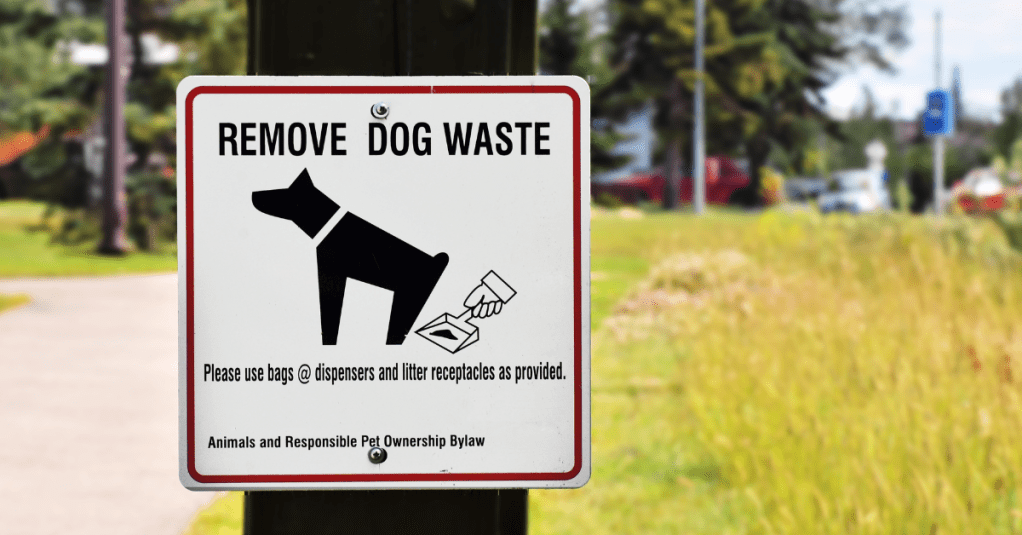
    While recovering from ankle surgery, I needed help with a not-so-glamorous task—removing dog waste from my yard. Let’s be real: most people wouldn’t jump at the chance to do that job. But I found a guy who not only runs a dog waste removal business but also trims trees on the side. This is definitely not something I’ve thought about in the entrepreneurial realm, but “John” is absolutely an entrepreneur who is building a successful business with extreme pride, humility, and a great sense of humor! And guess what? He’s making serious money.

    It got me thinking about how we often dismiss certain jobs as “beneath” us or unworthy of consideration. We assume that success only comes in sleek offices, high-profile careers, or trending side hustles. But the reality? Some of the most successful businesses are built on the jobs that many wouldn’t even consider.

    Here’s a great quote from Mike Rowe, the host of Dirty Jobs, who has spent years highlighting hardworking entrepreneurs who built successful businesses from labor-intensive work:

    “Happiness does not come from a job. It comes from knowing what you truly value and behaving in a way that’s consistent with those beliefs.” – Mike Rowe

    Think about it—trash collection, cleaning services, mobile car detailing, power washing. These aren’t jobs people dream about as kids, but they are industries where entrepreneurs are thriving, building wealth, and creating legacies.

    The moral of the story? Don’t be too quick to turn our nose up at an opportunity. The thing we think is “too small” or “not worth it” might just be someone else’s path to financial freedom. The key isn’t what we do—it’s how well we do it, how we scale it, and how we serve a need.

    So before dismissing a side hustle as “not good enough,” remember: someone out there is making a killing doing it. And they’re laughing all the way to the bank.

    Do you have an idea of something you’d like to turn into a side hustle? Let’s talk about it in the comments!

    Make moves, live boldly!

    Leave a comment

  • From Someday to Today

    How did I finally get here?

    For most of my career, I played a role behind the scenes—and I loved it. I still do. Writing and creating content have always been my passion. I naturally fell into positions where I ghostwrote and crafted content in others’ voices. And I was good at it.

    But something shifted in 2023.

    I started feeling restless. I was tired of pouring my creativity into work where others reaped the rewards. Now, don’t get me wrong—I don’t say that out of greed or selfishness. I’ve always found joy in helping others shine.

    But then came the epiphany.

    I realized it was time to step out from behind the curtain and take a peek at what else was out there. And you know what? I actually have something to say. I have insights to offer. I have a 40+ year career filled with experiences, lessons, and stories worth sharing. But I needed to believe that. I needed to build the confidence to recognize my own value.

    This past year has been one of discovery—of myself, my voice, and my impact. And as is typical for me, once I commit, I jump all in—often without warning to anyone around me. That’s how I’ve approached every major decision in my life.

    But let me be honest…

    I’ve also mastered the art of procrastination. Maybe you can relate. Sometimes, it’s fear—fear of failure, fear of judgment, fear of the unknown. Sometimes, the vision isn’t fully clear yet. And sometimes, it just feels too damn hard. But here’s the thing: once it all clicks in my mind, I jump.

    Why Do We Keep Putting Off Our Dreams?

    I don’t know about you, but I’ve asked myself this question more times than I can count.

    At the end of the day, we only have so much time—to create impact, to inspire others, to build a legacy. So why do we keep postponing the things that truly fulfill us?

    It’s the million-dollar question.

    And the answer? Just start.

    Benjamin Franklin nailed it when he said…

    “You may delay, but time will not.”

    So if you’ve been waiting for the perfect time to start, stop waiting. Below are four powerful strategies that have helped me push past procrastination and finally move forward.

    1. Start Small and Break It Down

    Big ideas can feel overwhelming, which is why they often stay stuck in the “someday” category. Instead of focusing on the entire journey, break your goal into small, manageable steps. Progress—no matter how small—builds momentum.

    2. Set Real Deadlines (and Hold Yourself Accountable)

    A dream without a deadline is just a wish. I haven’t always been great at this, but over the past year, I’ve gotten better. Set a firm timeline for your goals and, even better, make them public. Accountability is a powerful motivator.

    3. Remove Distractions and Just Start

    Procrastination feeds on distractions. Identify what’s pulling your focus away—social media, endless to-do lists, or fear of failure—and eliminate it. Then, commit to just five minutes of action. Often, starting is the hardest part, but once you do, you’ll keep going.

    4. Stop Waiting for Perfection

    Here’s the truth bomb: No one is expecting perfection from you. The only person demanding perfection is you. So let it go and just do the damn thing!

    If you’ve been feeling that nudge, that stir, that inner voice telling you it’s time—jump.

    Because at the end of the day, what do you really have to lose?

    It’s Your Turn

    So here’s my challenge to you—what’s the one thing you’ve been putting off? The book you want to write, the business you want to start, the career shift you’ve been dreaming about? Whatever it is, take one small step today. Because time isn’t waiting for you. And neither should you.


    1. Unknown's avatar
    2. Unknown's avatar
    3. Denise Irving's avatar
    4. Unknown's avatar
    5. Denise Irving's avatar